
eSIM Adoption Spikes: Why 78% of New US Phone Sales Skip Physical SIM Cards
Ads
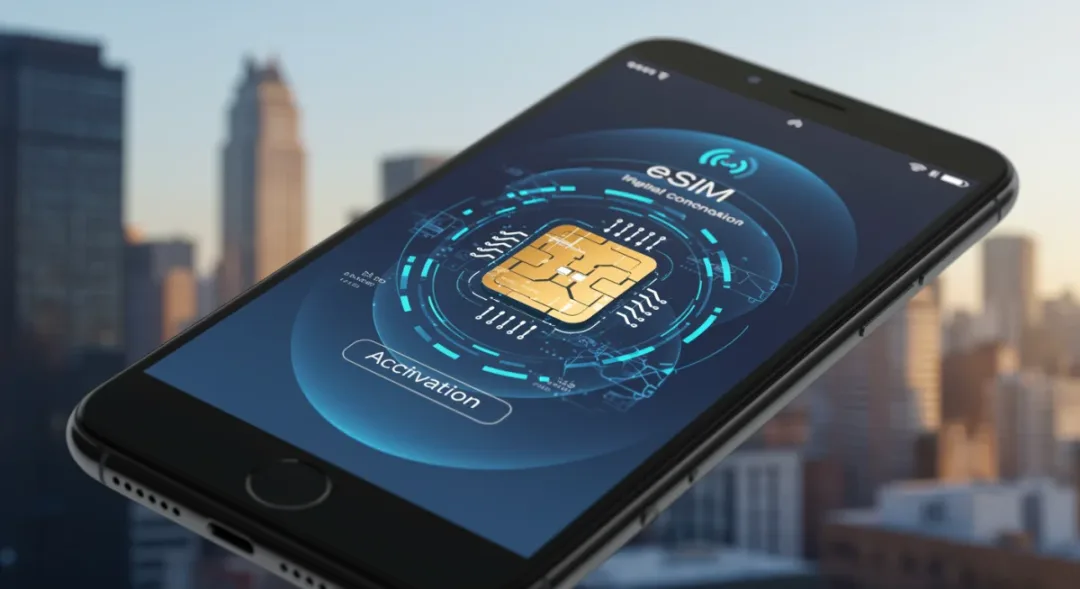
eSIM adoption has reached a tipping point in the United States, with 78% of new phone sales now skipping physical SIM cards entirely, marking a fundamental shift in how Americans connect to mobile networks.
Ads
The mobile industry is witnessing a quiet revolution in American pockets. eSIM adoption has surged to the point where nearly eight out of ten new smartphones sold in the United States now ship without a physical SIM card slot. This isn’t a distant future scenario—it is happening right now, reshaping how millions of Americans activate and use their mobile service. The traditional little plastic rectangle that once symbolized mobile connectivity is rapidly becoming a relic, replaced by chips embedded directly into devices that promise greater convenience, enhanced security, and unprecedented flexibility for consumers and carriers alike.
Ads
The eSIM Revolution: Understanding the Shift
The transition from physical SIM cards to eSIM technology represents one of the most significant changes in mobile telecommunications history. A physical SIM card has served as the gateway to cellular networks for decades, requiring users to visit stores, handle tiny cards, and sometimes wait days for activation. The eSIM eliminates these friction points entirely by embedding a programmable chip directly into the device during manufacturing.
This embedded approach offers immediate benefits for everyday users. When purchasing a new smartphone, the activation process can now be completed in minutes through a simple QR code scan or a few taps in settings. There is no need to hunt for a paperclip to eject a tray, no risk of losing a tiny card, and no reason to visit a retail location during business hours. The entire experience shifts from a physical transaction to a digital one, aligning with how Americans increasingly prefer to handle their technology.
Why Carriers Are Embracing eSIM
- Reduced operational costs through elimination of physical card distribution and packaging
- Faster customer onboarding with instant network activation capabilities
- Improved device security through tamper-resistant embedded chip technology
- Enhanced ability to support multiple lines and prepaid plans on single devices
Major carriers across the United States have fully embraced this transformation. Verizon, AT&T, and T-Mobile now promote eSIM as the primary activation method for new accounts, offering incentives and streamlined onboarding for customers who choose this route. Smaller prepaid carriers have followed suit, recognizing that the lower overhead of eSIM distribution translates to competitive pricing advantages. The carrier ecosystem has essentially decided that the future is digital, and that decision is accelerating consumer adoption at a remarkable pace.
78% Adoption Rate: Breaking Down the Numbers
The statistic that 78% of new phone sales in the United States now skip physical SIM cards demands context. This figure represents a convergence of multiple market forces that have aligned over the past several years. Flagship devices from Apple, Google, and Samsung have progressively removed physical SIM tray options, particularly in their premium tiers. The iPhone 14 and subsequent models sold in the United States shipped exclusively with eSIM capability for carriers, a decision that single-handedly shifted millions of units toward embedded SIM technology.

Android manufacturers have followed this lead, with Google’s Pixel lineup and Samsung’s Galaxy S and Z series prioritizing eSIM functionality. The combination of premium device momentum and carrier preference has created a market where physical SIM options are increasingly difficult to find on new devices. What began as a premium feature has become standard equipment, driving the adoption rate well beyond early adopter circles and into mainstream consumer behavior.
This shift also reflects changing consumer expectations around convenience and flexibility. Modern smartphone users value the ability to maintain multiple phone numbers on a single device, switch between carriers without visiting stores, and activate service immediately upon receiving a new device. The eSIM architecture supports all of these use cases natively, making it an obvious choice for both carriers pushing digital activation and consumers seeking streamlined experiences.
Consumer Benefits: Why Users Prefer eSIM
The advantages of eSIM technology extend far beyond carrier operational efficiency. For everyday users, the most immediate benefit is convenience. Activating a new line or switching carriers no longer requires waiting for a SIM card to arrive in the mail or making a trip to a retail store. Everything happens digitally, often within minutes of unboxing a new phone. This speed and simplicity resonate particularly well with American consumers who have grown accustomed to instant digital services across other aspects of their lives.
Security represents another significant advantage that sometimes goes overlooked. Physical SIM cards can be removed, swapped, or potentially exploited through various attack vectors. An embedded eSIM ties the cellular identity directly to the device hardware, making unauthorized SIM swapping considerably more difficult. For consumers concerned about account security—a growing concern as mobile devices become repositories for financial information, authentication tokens, and personal data—this hardware-level integration provides meaningful protection.
Flexibility and Multi-Device Management
- Ability to maintain personal and business lines on a single smartphone without carrying multiple devices
- Easy switching between carriers for better pricing or coverage without physical card handling
- Seamless integration with smartwatches, tablets, and other connected devices
- Travel-friendly functionality allowing activation of local carriers abroad without physical SIM purchases
The multi-device dimension deserves particular attention in an era when consumers increasingly own smartphones, smartwatches, and tablets that all require cellular connectivity. eSIM technology enables these devices to share cellular plans or maintain separate lines without the physical logistics of multiple SIM cards. A traveler visiting Europe can activate a local carrier’s eSIM profile before departure, avoiding expensive roaming charges while maintaining their primary number for essential communications. This level of flexibility was simply impossible with traditional SIM cards and represents a genuine advancement in how Americans use mobile technology.
Challenges and Considerations for Users
Despite the overwhelming momentum toward eSIM adoption, challenges remain that consumers should understand. The most significant concern involves device transfer and backup procedures. When moving from one phone to another with physical SIM cards, users could simply remove the card and place it in the new device—a straightforward process that required no technical knowledge. eSIM transfer requires more careful attention, involving carrier processes or specific device settings that vary by manufacturer and carrier.
Some users report difficulties when attempting to transfer eSIM profiles between devices, particularly when switching between Android and iOS platforms or when moving to devices from different manufacturers. The process typically requires contacting carrier customer support, which adds time and complexity compared to the instantaneous physical swap. However, major carriers have improved their eSIM transfer procedures significantly, and most users now complete transfers without significant issues when following proper documentation.
Device repair and replacement present another consideration that consumers should keep in mind. When a phone with a physical SIM card fails, users can often transfer their SIM to a replacement device immediately. With eSIM, the profile must be restored to the new device, which requires either a backup of the eSIM profile or carrier assistance. Most users who maintain regular carrier accounts can obtain a replacement eSIM profile quickly, but the process is not quite as instantaneous as the physical card approach that preceded it.
The Future: Where eSIM Goes From Here
The trajectory of eSIM adoption suggests that physical SIM cards will become increasingly rare over the coming years. Industry analysts predict that within the next two to three upgrade cycles, physical SIM slots may disappear entirely from mainstream smartphones in the United States. This mirrors the trajectory already observed in some European and Asian markets where eSIM adoption has proceeded even more rapidly.
The implications extend beyond smartphones to the broader ecosystem of connected devices. Automotive applications, industrial IoT deployments, and emerging categories like augmented reality glasses all benefit from eSIM’s embedded approach. The GSMA, the global mobile industry association, has established standardized eSIM specifications that enable this technology to scale across device categories, ensuring that the infrastructure supporting eSIM activation continues to mature and expand.
For consumers currently purchasing new devices, the message is clear: eSIM is now the default, and understanding how to use this technology is becoming essential mobile literacy. The learning curve is gentle—most users find the activation process intuitive—but taking time to understand profile transfer procedures and backup options ensures a smooth experience when device upgrades inevitably arrive.
What This Means for Your Next Phone Purchase
If you are in the market for a new smartphone, the odds are excellent that your next device will rely on eSIM technology. This should not cause concern—carriers and manufacturers have invested heavily in making the transition seamless. However, a few practical considerations can help ensure a positive experience. Before purchasing, verify that your carrier fully supports eSIM activation for your chosen device. Most major carriers do, but confirmation eliminates potential surprises during setup.
When setting up your new device, take a moment to understand how to backup your eSIM profile if your device supports this feature. Some phones include built-in eSIM backup functionality that simplifies transfer to a new device in the future. Additionally, if you anticipate needing to switch devices frequently or travel internationally, familiarize yourself with your carrier’s eSIM management processes in advance.
The transition to eSIM represents progress that benefits consumers through greater convenience, enhanced security, and improved flexibility. While the change requires some adjustment in habits developed over decades of physical SIM usage, the advantages of eSIM adoption clearly outweigh the learning curve. Americans have always embraced technological convenience when it delivers real value, and eSIM technology clearly meets that standard.
| Key Point | Brief Description |
|---|---|
| 78% Adoption Rate | Nearly eight in ten new US phone sales now skip physical SIM cards entirely. |
| Instant Activation | Users can activate service in minutes through QR code scan or digital prompts. |
| Enhanced Security | Embedded chips provide tamper-resistant identity tied directly to device hardware. |
| Multi-Line Flexibility | Supports multiple numbers and easy carrier switching without physical card handling. |
Frequently Asked Questions About eSIM Adoption
What is an eSIM and how does it differ from a physical SIM card?▼An eSIM is an embedded SIM chip built directly into the smartphone during manufacturing, eliminating the need for a removable physical card. Unlike traditional SIM cards that can be removed and transferred between devices, the eSIM is permanently attached to the device motherboard and is programmed digitally with carrier network credentials.
Can I still use my physical SIM card if my phone supports eSIM?▼Many smartphones that support eSIM also include a physical SIM slot, allowing users to choose between both options. However, several flagship devices, particularly iPhone models sold in the United States, now ship exclusively with eSIM capability. Before purchasing a new device, check whether it includes a physical SIM slot if you require that option.
How do I transfer my eSIM to a new phone?▼Transferring an eSIM typically requires contacting your carrier to request a profile transfer or replacement. Many carriers offer digital transfer options through their apps or websites. Some devices also include built-in eSIM backup and restore functionality that simplifies the process when moving between devices of the same manufacturer.
Is eSIM technology available with all mobile carriers in the United States?▼All major carriers in the United States, including Verizon, AT&T, and T-Mobile, fully support eSIM activation for compatible devices. Most prepaid and smaller carriers also support eSIM, though it is advisable to confirm with your specific carrier before purchasing a device to ensure compatibility with their activation process.
What happens to my service if my eSIM phone is lost or stolen?▼If your phone is lost or stolen, contact your carrier immediately to suspend service and request a new eSIM profile for your replacement device. The carrier can deactivate the lost eSIM profile to prevent unauthorized usage. Most carriers can issue a new eSIM profile quickly, often through their mobile app or customer service line.
Conclusion
The 78% adoption rate of eSIM technology in new US phone sales represents a definitive moment in mobile telecommunications history. What began as a premium feature has transformed into the standard way Americans connect to cellular networks. This shift brings genuine benefits—convenience, security, and flexibility—that align with how modern consumers expect to interact with their technology. While adjustments to traditional habits are required, the advantages of eSIM adoption clearly outweigh the learning curve. As device manufacturers and carriers continue to refine the eSIM experience, physical SIM cards will likely fade into technological memory, remembered as the bridge between the early mobile era and the fully connected future that Americans now embrace.
Written by
Mariana Viana
Mariana Viana writes about tech & gadgets for insider.onlyshein.com. Each article explains how things work, compares published details such as prices, policies and program rules, and points readers to the official source before they decide.