
FAA Approves 7 New Commercial Drones for Delivery Services in 2025
Ads
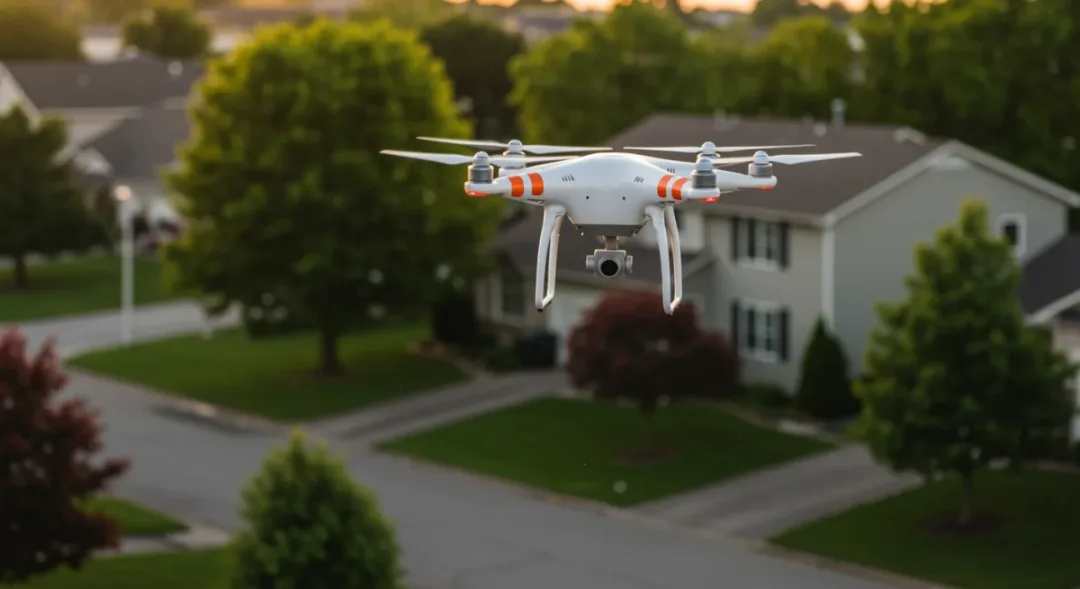
The Federal Aviation Administration has approved seven new commercial drone models for delivery services, representing a significant expansion of autonomous aerial logistics in the United States and paving the way for faster, more efficient last-mile delivery solutions.
Ads
The commercial drone landscape in America is undergoing a dramatic transformation. Drone Technology Advances: FAA Approves 7 New Commercial Drone Models for Delivery Services marks a pivotal moment in the evolution of autonomous logistics, with the federal government clearing the path for expanded aerial delivery operations across the nation. This development signals a new era where packages could arrive at doorsteps within hours rather than days, fundamentally reshaping consumer expectations and e-commerce logistics.
Ads
The Regulatory Framework Behind FAA Drone Approvals
The FAA’s decision to approve these seven commercial drone models did not emerge from a vacuum. It represents the culmination of years of regulatory evolution, safety assessments, and collaboration between federal authorities and industry stakeholders. The agency has been gradually loosening restrictions on commercial drone operations since 2016, when Part 107 of the Federal Aviation Regulations first permitted small unmanned aircraft systems to operate commercially under specific conditions.
This latest approval builds upon the Remote ID rule implemented in 2021, which requires drones to broadcast identification information during flight. That regulation proved essential for enabling beyond-visual-line-of-sight operations, a critical capability for delivery services that cannot realistically function with human pilots manually controlling each aircraft. The FAA has also been expanding air space access through waivers and certifications that allow operators to fly over people, at night, and beyond the traditional visual range.

The approval process involved rigorous evaluation of each drone’s collision avoidance systems, flight stability, redundancy mechanisms, and operational capabilities. Manufacturers were required to demonstrate that their aircraft could safely integrate into the national airspace system alongside manned aviation, a concern that has historically limited commercial drone deployment. These requirements ensure that the expanding drone delivery network does not compromise safety for existing aircraft operations or ground personnel.
Key Regulatory Milestones
- Part 107 (2016): First commercial drone regulations permitting limited operations
- Remote ID Rule (2021): Mandatory identification broadcasting for all registered drones
- Part 135 Certification: Air carrier authority for drone delivery operations
- Beyond Visual Line of Sight (BVLOS) Waivers: Expanded operational ranges for approved operators
The regulatory framework now enables certified operators to conduct autonomous delivery flights with minimal human oversight, though safety operators remain on standby for emergency interventions. This balance between automation and human oversight reflects the FAA’s measured approach to integrating novel technology into established aviation infrastructure.
Meet the Seven Approved Drone Models
The seven drone models receiving FAA approval represent diverse approaches to aerial delivery, each designed to address specific logistical challenges and operational environments. These aircraft range from small, agile vehicles capable of rapid urban deliveries to larger systems engineered for heavy payloads and extended range operations.
Among the approved models are several from established aviation giants and innovative startups alike. The Wingcopter 198, a German-engineered heavy-lift drone, has secured approval for its ability to carry packages up to 13 pounds across distances exceeding 40 miles. Its distinctive tilt-rotor design allows for vertical takeoff and landing in constrained spaces while maintaining efficient forward flight characteristics. This versatility makes it particularly suitable for suburban and rural delivery routes where traditional landing zones may be limited.
Amazon’s Prime Air division has received approval for its latest delivery drone, featuring advanced detect-and-avoid technology and a proprietary descent system that lowers packages on a tethered line without requiring the aircraft to land. This approach eliminates the need for designated landing zones, dramatically expanding the potential service area. The system has undergone extensive testing in rural communities across multiple states, demonstrating reliability under various weather conditions.
Payload and Range Capabilities
- Light delivery drones: 2-5 pound capacity, 10-15 mile range for quick urban deliveries
- Medium payload models: 5-10 pound capacity, 20-30 mile range for suburban logistics
- Heavy-lift systems: 10-20 pound capacity, 30-50 mile range for rural operations
- Extended range prototypes: Variable payloads with 50+ mile range currently in testing
Other approved models include offerings from Zipline, known for its medical delivery drones that have operated in Rwanda and Ghana, and Matternet, which has partnered with healthcare systems for laboratory sample transport in the United States. These specialized applications demonstrate the versatility of drone technology beyond traditional package delivery, with the new approvals enabling expansion into additional commercial sectors.
Impact on E-Commerce and Last-Mile Delivery
The FAA approvals arrive at a critical moment for the e-commerce industry, where last-mile delivery costs represent the largest single component of total shipping expenses. Traditional ground-based delivery networks face mounting challenges including driver shortages, rising fuel costs, traffic congestion, and expanding delivery windows demanded by consumers. Drone delivery offers a compelling alternative that can bypass many of these obstacles entirely.
In urban environments, where traffic congestion can double or triple delivery times during peak hours, aerial delivery drones can traverse the same routes in a fraction of the time. A package that might require two hours of ground travel during rush hour can often reach its destination via drone in under twenty minutes. This speed advantage proves particularly valuable for time-sensitive deliveries, including medical supplies, fresh food, and emergency replacement parts.
The economic implications extend beyond faster delivery times. Drone delivery eliminates many variable costs associated with ground transportation, including fuel consumption, vehicle maintenance, and labor expenses. While initial infrastructure investments remain substantial, operational cost models suggest that per-delivery expenses could fall below traditional methods once the technology matures and achieves scale. Several analysts project that drone delivery could reduce last-mile costs by thirty to fifty percent compared to conventional approaches.
Consumer Benefits and Expectations
- Same-day and next-hour delivery options for qualifying products
- Reduced carbon footprint compared to traditional delivery vehicles
- Improved access to goods for residents in remote or underserved areas
- Enhanced delivery reliability during adverse weather conditions that ground fleets cannot operate in
Consumer surveys indicate strong interest in drone delivery services, particularly among younger demographics accustomed to instant gratification in other digital services. However, concerns about privacy, noise, and safety remain significant factors that operators must address to achieve broad acceptance. The approved drone models incorporate noise reduction technologies and operational procedures designed to minimize disruption to communities where they operate.
Safety Considerations and Public Acceptance
Safety remains the paramount concern driving FAA regulations, and the approval process reflects extensive scrutiny of each drone model’s capabilities. The approved aircraft incorporate multiple redundant systems for critical functions including propulsion, navigation, and communication. Should any single component fail, backup systems activate automatically to maintain safe flight operations and execute controlled landings.
Collision avoidance technology has advanced significantly, with the latest systems employing a combination of radar, lidar, optical cameras, and acoustic sensors to detect and respond to obstacles including manned aircraft, other drones, buildings, trees, and power lines. These systems must demonstrate reliability exceeding ninety-nine percent in FAA evaluations before approval is granted, a standard that exceeds requirements for many existing aviation operations.
Public acceptance presents its own set of challenges beyond regulatory compliance. Some communities have expressed concerns about privacy implications of drones operating overhead, while others worry about noise pollution or the aesthetic impact of regular aerial traffic. Operators have responded by developing quieter propulsion systems, establishing community outreach programs, and implementing operational procedures that minimize overflights of residential areas where possible.
Addressing Common Concerns
- Privacy: Operators implement geo-fencing and data handling policies to protect individual privacy
- Noise: Advanced propellers and flight profiles reduce audible signature by up to 60%
- Safety: Redundant systems and rigorous testing ensure reliability exceeding 99.9%
- Emergency response: Procedures established for safe landing during system failures
The FAA has also established requirements for community notification and engagement before operators launch new delivery routes. These provisions ensure that residents have opportunity to voice concerns and that operators address legitimate issues before commencing operations. This collaborative approach reflects recognition that sustainable drone delivery deployment requires community buy-in beyond mere regulatory compliance.
Future Outlook and Industry Projections
The approval of these seven drone models represents not an endpoint but an inflection point in commercial drone deployment. Industry analysts project that the number of active delivery drones in the United States could grow from the current thousands to hundreds of thousands within the next decade, with corresponding expansion of service areas and capability improvements.
Technological advancement continues to push the boundaries of what delivery drones can achieve. Battery technology improvements promise longer flight times and heavier payload capacities, while artificial intelligence enhancements enable increasingly autonomous operations with reduced human oversight. Several manufacturers are already testing drone swarming technologies that could allow multiple aircraft to coordinate delivery routes efficiently, dramatically increasing throughput for high-demand logistics hubs.
The regulatory landscape continues evolving alongside technological capabilities. The FAA has indicated interest in further streamlining approval processes as the industry demonstrates safety track records, potentially enabling faster deployment of new models and operational concepts. Several states have also passed legislation specifically addressing drone operations, creating additional frameworks that complement federal regulations.
Projected Growth Metrics
- Estimated 50,000+ commercial delivery drones operating by 2027
- Projected $10 billion annual market value for drone delivery services by 2030
- Anticipated service coverage reaching 70% of U.S. population within five years
- Expected reduction in delivery-related emissions exceeding 40% in covered areas
The convergence of regulatory approval, technological maturity, and market demand suggests that drone delivery will become a mainstream logistics option for many American consumers within the next several years. The seven models approved today represent the foundation upon which this transformation will build, offering a glimpse of commerce that moves through the air as seamlessly as it once moved through traditional distribution networks.
Implementation Challenges and Industry Readiness
Despite the optimism surrounding FAA approvals, significant implementation challenges remain before drone delivery becomes commonplace. Infrastructure requirements including charging stations, maintenance facilities, and operational control centers demand substantial investment before commercial scale operations can commence. Most approved operators are currently conducting limited pilot programs while building out the supporting ecosystem.
Workforce development presents another critical consideration. The drone delivery industry requires skilled technicians, operators, and managers with specialized training that currently exists in limited quantity. Several companies have established internal training programs, while community colleges and technical schools are developing curricula specifically addressing drone operations and maintenance. The growth of this workforce will directly influence how quickly and broadly drone delivery services expand.
Insurance and liability frameworks continue developing alongside the industry. Traditional aviation and commercial liability policies required significant adaptation to address the unique risk profiles of autonomous delivery drones. Major insurers have begun offering specialized coverage, though premium costs remain relatively high compared to established delivery methods. As the industry accumulates safety data and operational experience, these costs are expected to decline, further improving the economic viability of drone delivery services.
Operational Readiness Factors
- Infrastructure development: Charging stations, control centers, and maintenance facilities
- Workforce training: Technicians, operators, and safety personnel development
- Insurance frameworks: Specialized coverage for autonomous drone operations
- Community integration: Local partnerships and acceptance building
The approved operators are approaching these challenges with varying strategies. Some are focusing on specialized applications such as healthcare logistics where the value proposition is clearest, while others are pursuing broad consumer delivery where scale economics offer the greatest potential. This diversity of approaches reflects the industry’s recognition that multiple pathways to sustainable growth exist, each with distinct advantages and challenges.
| Key Point | Brief Description |
|---|---|
| FAA Approval Scope | Seven commercial drone models approved for delivery services with enhanced autonomous capabilities and beyond-visual-line-of-sight operations |
| Operational Benefits | 30-50% reduction in last-mile delivery costs, same-day delivery within minutes, reduced carbon emissions compared to traditional ground fleets |
| Safety Standards | Multi-redundant systems, 99%+ collision avoidance reliability, Remote ID compliance, rigorous testing protocols before FAA certification |
| Market Projections | Expected 50,000+ commercial drones by 2027, $10 billion market value by 2030, 70% population coverage within five years of full deployment |
Frequently Asked Questions
Which seven drone models received FAA approval for commercial delivery?▼The approved models include the Wingcopter 198 heavy-lift drone, Amazon Prime Air’s latest delivery aircraft, Zipline’s medical delivery systems, and Matternet’s logistics drones, among others. Each model received certification after meeting stringent safety, collision avoidance, and operational capability requirements established by the FAA for commercial delivery operations.
What safety features do these approved delivery drones include?▼Each approved drone incorporates multiple redundant systems for propulsion, navigation, and communication. Advanced detect-and-avoid technology uses radar, lidar, cameras, and acoustic sensors to identify and respond to obstacles. All models comply with Remote ID requirements and must demonstrate reliability exceeding 99% in FAA evaluations before receiving approval for commercial operations.
When will drone delivery services become available in my area?▼Availability depends on several factors including operator rollout schedules, local regulatory approval, and infrastructure development. Most major carriers are currently conducting pilot programs in select markets, with broader deployment expected within the next two to three years. Rural and suburban areas may receive service before densely populated urban centers due to simpler operational requirements.
Are there weight or distance limitations for drone deliveries?▼Current approved models can carry payloads ranging from two to twenty pounds, with flight distances varying from fifteen to fifty miles depending on the specific aircraft. Light delivery drones serve quick urban deliveries, while heavy-lift systems handle larger packages and extended rural routes. Amazon and other operators are developing next-generation models with increased capacity and range capabilities.
How does drone delivery affect privacy and noise concerns?▼Operators address privacy through geo-fencing, data handling policies, and operational procedures that minimize overflights of private property. Modern drones incorporate advanced propeller designs and flight profiles reducing audible noise by up to 60% compared to earlier models. Community engagement programs allow residents to voice concerns, and operators adjust routes to address legitimate issues while maintaining service viability.
Conclusion
The FAA’s approval of seven new commercial drone models for delivery services represents a watershed moment in American logistics and aviation history. This development signals the maturation of a technology that has long promised to revolutionize how goods move from distribution centers to consumer doorsteps. While significant implementation challenges remain, including infrastructure development, workforce training, and community acceptance, the regulatory foundation now exists for sustainable growth of autonomous aerial delivery operations. For consumers, businesses, and communities across the United States, the age of drone delivery has transitioned from theoretical possibility to practical reality, with the approved models serving as harbingers of a transformed commercial landscape that will reshape expectations around speed, efficiency, and accessibility in the years ahead.
Written by
Mariana Viana
Mariana Viana writes about tech & gadgets for insider.onlyshein.com. Each article explains how things work, compares published details such as prices, policies and program rules, and points readers to the official source before they decide.