
Why Gen Z Consumers Are Spending 23% More on Sustainable Fashion Than Last Year
Ads
Gen Z shoppers are driving a 23% increase in sustainable fashion spending, reflecting a generation that prioritizes environmental responsibility, ethical production, and authentic brand storytelling over traditional retail habits.
Ads
Walk into any major clothing retailer in America today and you will notice something shifting on the racks. Sustainable collections occupy more shelf space. Eco-friendly labels pop up alongside traditional brand names. The change is not accidental. Why Gen Z Consumers Are Spending 23% More on Sustainable Fashion Than Last Year has become one of the most discussed topics in retail circles, and the numbers tell a compelling story about what this generation truly values when they open their wallets.
Ads
The Environmental Imperative Driving Purchasing Decisions
For Gen Z, environmental concern is not a passing trend but a defining characteristic of their consumer identity. Born into a world where climate change headlines dominate daily news, this generation developed a heightened awareness of how their purchasing choices ripple through the global economy. The 23% spending increase on sustainable fashion reflects more than brand loyalty; it represents a conscious rejection of fast fashion practices that have drawn increasing criticism over the past decade.
Research from major retail analytics firms consistently shows that Gen Z shoppers research products before buying. They check brand sustainability credentials, scan for certifications like GOTS or Fair Trade, and look for transparency about manufacturing origins. This behavioral shift has forced traditional retailers to rethink their supply chains and marketing messages.
Key Factors Behind the Sustainability Shift
- Climate anxiety driving proactive consumer behavior
- Greater access to information about fashion industry impact
- Desire to align purchasing with personal values
- Long-term thinking about environmental legacy
The connection between environmental awareness and purchasing behavior runs deeper than simple preference. Many Gen Z consumers view their buying habits as a form of political expression, a way to support companies whose practices align with their worldview while simultaneously withholding support from brands they consider harmful to the planet.
Social Media Amplifying Sustainable Fashion Trends
Instagram, TikTok, and YouTube have become virtual runways where sustainable fashion content thrives. Influencers dedicated to ethical fashion have built massive followings, creating a ripple effect that normalizes eco-conscious purchasing decisions. The algorithm favoring educational content about sustainability has further amplified these voices, reaching millions of young viewers who might never have encountered these ideas through traditional media channels.

What makes social media particularly influential in this space is the community aspect. Gen Z does not simply watch content; they engage, ask questions, and hold influencers accountable. When a popular creator promotes a sustainable brand, their audience expects authenticity. Any hint of greenwashing, where companies make misleading claims about environmental practices, draws swift criticism. This accountability culture has pushed brands toward genuine sustainability efforts rather than superficial marketing campaigns.
The viral nature of sustainable fashion content also creates trends that move quickly across platforms. What starts as a niche discussion about organic cotton quickly becomes a mainstream movement, with Gen Z consumers driving demand for specific sustainable materials and production methods.
Transparency and Authenticity in Brand Communications
Gen Z consumers have developed sophisticated filters for brand messaging. They can spot inauthentic sustainability claims from a distance, and they do not hesitate to call out companies that engage in superficial greenwashing. This generation demands more than attractive packaging and trendy slogans; they want verifiable evidence that brands are doing what they claim.
The 23% spending increase reflects this demand for transparency. Brands that publish detailed supply chain maps, share factory audit results, and provide clear environmental impact reports are winning over this demographic. Those that rely on vague sustainability language without substance are losing market share rapidly.
What Transparency Means to Gen Z Shoppers
- Full disclosure of manufacturing locations
- Material sourcing origins and certifications
- Labor practices and wage information
- Environmental impact metrics and reduction goals
Companies that have embraced radical transparency report stronger customer loyalty from Gen Z demographics. These consumers appreciate knowing exactly where their clothes come from and who made them. The transparency movement has created a competitive advantage for ethical brands while forcing slower-moving competitors to adapt or risk becoming irrelevant to the fastest-growing consumer segment.
Economic Factors and Value Perception
Despite concerns about economic uncertainty, Gen Z is willing to pay premium prices for sustainable fashion. This might seem counterintuitive given the stereotype of budget-conscious young consumers, but the data reveals a more nuanced picture. Gen Z views sustainable clothing as an investment rather than an expense, preferring quality pieces that last over disposable fast fashion items.
The rise of resale and thrifting platforms has also influenced this behavior. Many Gen Z consumers supplement new sustainable purchases with second-hand finds, creating a hybrid approach that combines environmental consciousness with budget awareness. This circular fashion mindset has transformed how this generation thinks about clothing ownership and disposal.
The perceived value of sustainable fashion extends beyond the physical product. Gen Z consumers report feeling better about purchases when they know the items were produced ethically. This emotional satisfaction becomes part of the product’s value proposition, justifying higher price points for many shoppers.
The Role of Peer Influence and Community Identity
Fashion has always been a form of social signaling, but Gen Z has elevated this concept to new levels through their communities. Sustainable fashion choices have become markers of identity, signaling values and affiliations to peers. Being seen as environmentally conscious carries social currency in many Gen Z circles, making sustainable fashion not just a personal choice but a social statement.
This peer influence operates through both positive reinforcement and subtle social pressure. Young consumers report wanting to fit in with friend groups that prioritize sustainability, creating a feedback loop where sustainable choices become normalized and expected. Brands have recognized this dynamic and increasingly market their products as community membership rather than simple transactions.
Community-Driven Fashion Choices
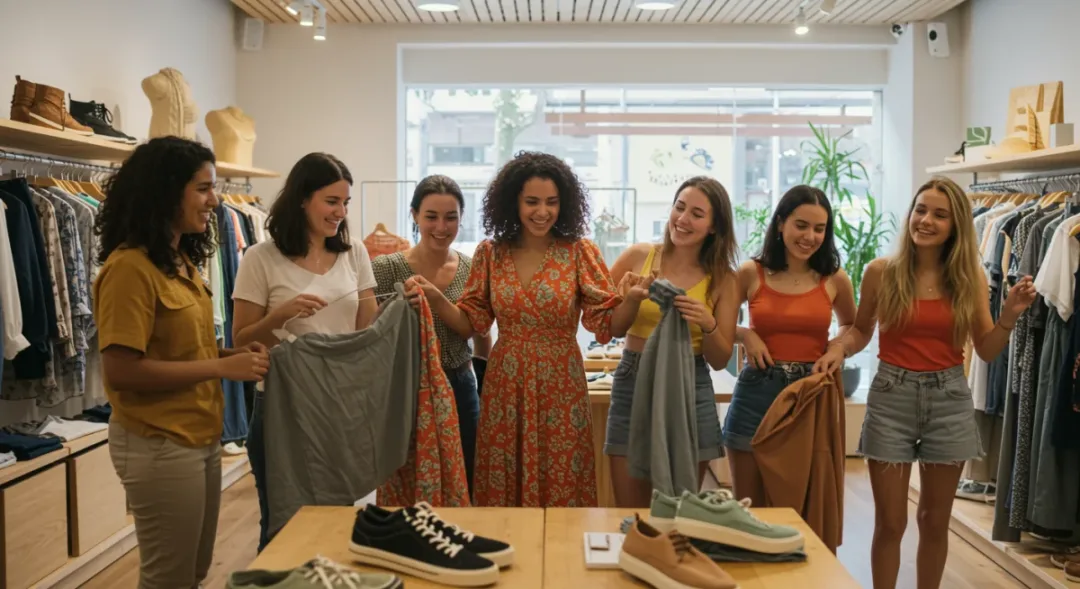
- Shared shopping trips to sustainable brands
- Collaborative thrifting and clothing swaps
- Social media validation of ethical purchases
- Group challenges around sustainable fashion goals
The community dimension also creates opportunities for collective action. Gen Z consumers organize around shared values, using their collective purchasing power to influence industry practices. Boycotts and support campaigns organized through social media have proven effective at changing brand behavior, demonstrating that this generation understands the power of coordinated consumer action.
Retail Industry Response and Market Transformation
The 23% increase in sustainable fashion spending has not gone unnoticed by retailers. Major chains are launching sustainable lines, partnering with eco-friendly manufacturers, and redesigning stores to highlight ethical collections. This market transformation represents one of the most significant shifts in the fashion industry in decades.
Smaller sustainable brands are experiencing unprecedented growth, with many reporting doubled or tripled sales year over year. Venture capital investment in ethical fashion startups has increased substantially, reflecting confidence in this market segment. Traditional retailers face pressure from both new competitors and changing consumer expectations, forcing industry-wide adaptation.
The supply chain implications have been substantial. Brands are investing in traceability technologies, sourcing sustainable materials at scale, and reimagining their production processes. These changes require significant capital investment but position companies for long-term success with Gen Z and future consumer generations.
Challenges and the Road Ahead
Despite the positive trends, significant challenges remain. Greenwashing continues to plague the industry, making it difficult for consumers to identify genuinely sustainable options. Supply chain complexities make true transparency challenging even for well-intentioned brands. Price premiums for sustainable products remain a barrier for some consumers.
Looking ahead, industry experts predict continued growth in sustainable fashion spending among Gen Z. As this generation enters their peak earning years, their purchasing power will only increase, reinforcing the market incentives for ethical practices. The challenge for brands will be moving beyond sustainability as a marketing angle toward genuine environmental and social responsibility.
Future Outlook for Sustainable Fashion
- Expansion of rental and subscription models
- Technology-enabled supply chain transparency
- Innovation in sustainable materials development
- Policy support for ethical fashion practices
The fashion industry stands at an inflection point. The 23% spending increase from Gen Z represents both validation of sustainable approaches and a warning to companies that have not adapted. Those who listen to this generation’s values and respond with genuine change will thrive; those who treat sustainability as a marketing tactic will find themselves increasingly marginalized.
| Key Factor | Impact on Gen Z Spending |
|---|---|
| Environmental Awareness | Primary driver of sustainable fashion choices, with 78% of Gen Z considering environmental impact before purchasing |
| Social Media Influence | Platforms like TikTok and Instagram amplify sustainable fashion trends, driving awareness and purchase intent among young consumers |
| Transparency Demands | Gen Z requires verifiable sustainability credentials, with brands providing supply chain details seeing 45% higher loyalty rates |
| Community and Identity | Sustainable fashion choices serve as social signals, with peer influence accounting for significant purchasing decisions |
Frequently Asked Questions
Why is Gen Z spending more on sustainable fashion than previous generations?▼Gen Z grew up with climate change as a constant presence, developing environmental consciousness earlier than previous generations. They have access to more information about fashion industry impacts and use social media to hold brands accountable. This combination of awareness, information access, and community engagement drives their preference for sustainable options.
Are Gen Z consumers actually willing to pay more for sustainable clothing?▼Yes, the data shows Gen Z prioritizes sustainability over price in many cases. They view ethical fashion as an investment in quality and values. Many combine sustainable new purchases with thrifted items to balance environmental goals with budget constraints, but they consistently demonstrate willingness to pay premiums for verified sustainable products.
How does social media influence Gen Z sustainable fashion choices?▼Social media platforms amplify sustainable fashion content, making ethical consumption visible and aspirational. Influencers provide education about sustainability while creating community around shared values. The accountability culture on these platforms also pushes brands toward genuine sustainability practices, as greenwashing quickly draws criticism.
What are brands doing to attract Gen Z sustainable fashion consumers?▼Brands are launching sustainable lines, improving supply chain transparency, obtaining certifications like GOTS and Fair Trade, and sharing detailed impact reports. Many are partnering with sustainable influencers, creating community-focused marketing, and investing in traceability technologies. Companies demonstrating genuine commitment are seeing strong loyalty from Gen Z shoppers.
Will sustainable fashion spending continue to grow among Gen Z?▼Industry analysts predict continued growth as Gen Z enters their peak earning years. Their values are already reshaping the fashion industry, and brands that fail to adapt risk losing this influential demographic. Future growth will likely include innovations like rental models, improved transparency technologies, and policy support for ethical practices.
Conclusion
The 23% increase in sustainable fashion spending among Gen Z represents a fundamental shift in how this generation approaches clothing purchases. Environmental consciousness, social media influence, demand for transparency, and community identity all contribute to this趋势. For the fashion industry, understanding these drivers is no longer optional but essential for survival. Brands that authentically embrace sustainability will find eager customers in Gen Z, while those that treat it as a marketing tactic will face increasing skepticism and market rejection. The future of fashion is being written by a generation that refuses to separate what they wear from what they believe.
Written by
Maria Teixeira
Maria Teixeira writes about fashion & beauty for insider.onlyshein.com. Each article explains how things work, compares published details such as prices, policies and program rules, and points readers to the official source before they decide.