
Matter 2.0 Smart Home Protocol: 850+ Devices United in 2026
Ads
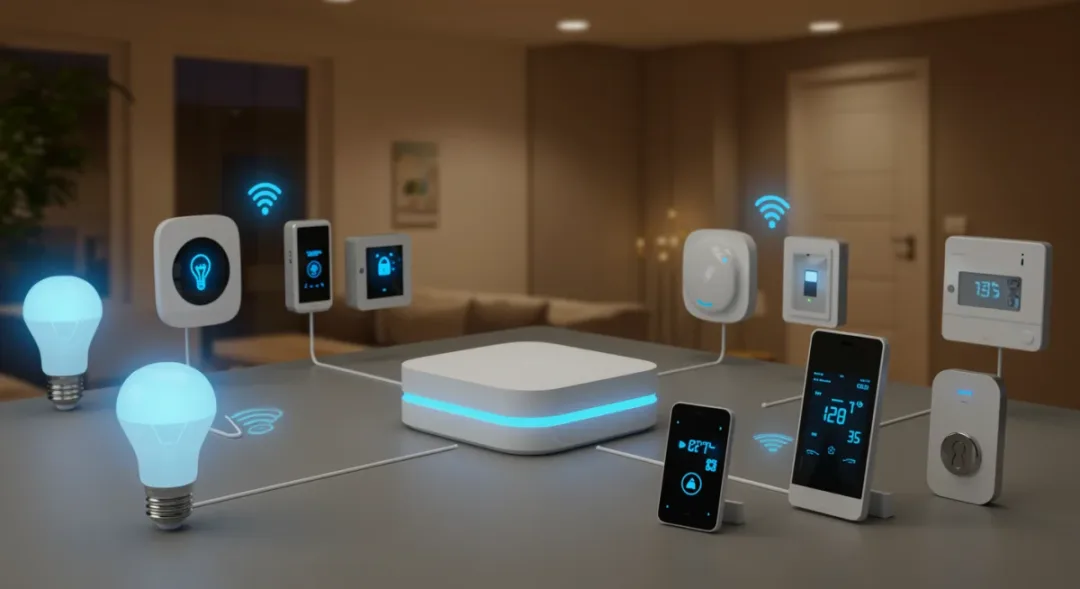
The Matter 2.0 protocol transforms smart home connectivity by unifying over 850 devices from leading brands, eliminating fragmentation and creating a seamless ecosystem that works across manufacturers.
Ads
The smart home landscape in 2026 looks remarkably different from what consumers experienced just a few years ago. Matter 2.0 protocol stands at the center of this transformation, emerging as the unifying standard that finally delivers on the promise of true device interoperability. What started as a fragmented market where consumers had to carefully research compatibility before purchasing any smart device has evolved into a cohesive ecosystem where nearly any device can communicate with any other, regardless of the manufacturer.
Ads
What is Matter 2.0 and Why It Matters in 2026
Matter 2.0 represents the second major iteration of the Matter smart home standard, a connectivity protocol developed by the Connectivity Standards Alliance (formerly Zigbee Alliance) with backing from industry giants including Apple, Google, Amazon, and Samsung. Unlike previous attempts at creating universal smart home standards, Matter 2.0 has achieved unprecedented adoption because it addresses the fundamental pain points that plagued smart home enthusiasts for years.
The original Matter 1.0 launch in 2022 introduced the concept of a unified protocol, but it came with significant limitations. Many popular device categories remained excluded, forcing consumers to maintain multiple apps and hubs for different parts of their smart home setup. Matter 2.0 expands the protocol to include far more device types while improving the underlying technical foundations that make cross-compatibility possible.
Core Principles Driving Adoption
- Universal compatibility across major smart home platforms
- Local processing for improved privacy and reduced latency
- Simplified setup processes using QR codes and NFC
- Enhanced security through mandatory encryption
The protocol operates on a foundation of IP-based connectivity, meaning devices can communicate directly over local networks without requiring cloud intermediaries. This architectural choice delivers several immediate benefits to consumers, including faster response times for voice commands and automated routines, continued functionality during internet outages, and improved privacy since sensitive data doesn’t necessarily need to leave the home network.
The Ecosystem Growth: 850+ Devices Now Compatible
The number of Matter-certified devices has grown from approximately 200 at the initial launch to over 850 unique products spanning virtually every category of smart home technology. This explosive growth reflects both manufacturer confidence in the standard and consumer demand for simplified smart home management.

Lighting solutions represent the largest category of Matter-compatible products, with hundreds of bulbs, strips, and fixtures now available from dozens of manufacturers. The protocol’s efficient handling of on/off commands and brightness controls makes it ideal for this category, and consumers have responded enthusiastically, driving further investment from manufacturers.
Device Categories Experience Rapid Expansion
- Climate control: thermostats, air conditioners, fans, and heaters
- Security: locks, cameras, doorbells, and sensors
- Entertainment: smart TVs, speakers, and streaming devices
- Appliances: refrigerators, ovens, washers, and dishwashers
- blinds and shades: automated window treatments
The thermostat category has seen particularly impressive growth, with major HVAC manufacturers now offering Matter-compatible models that integrate seamlessly with both Apple HomeKit and Google Home ecosystems. This represents a significant departure from the previous landscape where consumers often had to choose their smart home platform before purchasing climate control equipment.
Top Brands Embracing the Protocol
The roster of manufacturers supporting Matter 2.0 reads like a who’s who of consumer electronics and home improvement companies. This broad industry support distinguishes Matter from previous standards attempts that failed to attract sufficient manufacturer participation to achieve critical mass.
Apple’s involvement brings significant credibility to the standard, particularly for consumers deeply invested in the Apple ecosystem. The company has updated its HomePod speakers, Apple TV devices, and iPhones to serve as Matter controllers, allowing users to leverage existing Apple hardware as the foundation for their Matter-based smart homes.
Major Manufacturers and Their Contributions
- Samsung: SmartThings hub integration and Galaxy device support
- Google: Nest products and Google Home ecosystem compatibility
- Amazon: Alexa integration and Echo device functionality
- Philips Hue: Expanded lighting lineup with Matter support
- TP-Link: Kasa smart plugs and bulbs with Matter certification
Google has taken an especially aggressive approach to Matter adoption, updating numerous Nest products to support the new standard while introducing several new Matter-certified devices. The company’s Google Home app now serves as a unified control center for Matter devices from any manufacturer, representing a significant improvement over the previous experience where users often needed separate apps for different device types.
Technical Improvements Over the Original Matter
Matter 2.0 introduces several substantial technical improvements that address the limitations of the original specification. These enhancements weren’t merely incremental upgrades but rather fundamental changes designed to support more complex smart home scenarios and a wider range of device types.
The protocol now supports significantly more complex device types through expanded data models. Where Matter 1.0 could handle basic on/off devices and simple sensors, version 2.0 can manage sophisticated appliances with multiple operational modes, complex thermostat schedules, and multi-stage climate control systems.
Key Technical Advancements
- Enhanced multicast capabilities for improved group control
- Support for battery-powered edge devices
- Improved commissioning procedures for faster setup
- Better handling of large-scale deployments with hundreds of devices
Thread networking, which provides the low-power mesh connectivity underlying many Matter devices, has also received significant improvements. The protocol now handles Thread border routers more gracefully, reducing the complexity that often frustrated users attempting to build extensive smart home networks.
Real-World Benefits for Smart Home Owners
For consumers, Matter 2.0 translates into tangible benefits that manifest in everyday use. The most immediately noticeable improvement involves the dramatically simplified purchasing process. Where buyers previously needed to research compatibility between their existing hub, preferred voice assistant, and new devices, they can now confidently purchase any Matter-certified product knowing it will work with their setup.
Setup procedures have also improved substantially. The Matter specification includes detailed provisions for device commissioning using QR codes printed on packaging, allowing users to add new devices to their smart home in seconds rather than minutes. Many users report adding new lights or sensors in under thirty seconds, a far cry from the complex pairing procedures that characterized earlier smart home protocols.
Everyday Advantages That Matter
- Single app control for all Matter devices regardless of manufacturer
- Consistent voice assistant compatibility without platform restrictions
- Automatic software updates through the Matter ecosystem
- Reduced need for multiple hubs and bridges
The financial implications deserve attention as well. Consumers no longer need to purchase manufacturer-specific bridges or hubs to connect certain device types, potentially saving hundreds of dollars over time. Additionally, the increased competition fostered by universal compatibility has driven prices down across many device categories.
Challenges and What to Watch For
Despite the remarkable progress Matter 2.0 represents, consumers should approach the ecosystem with realistic expectations. Some device categories remain excluded from Matter certification, and certain advanced features may not translate perfectly between platforms despite basic interoperability.
Security concerns, while addressed more thoroughly than in previous standards, continue to evolve. The sheer number of devices now connected to home networks creates a larger attack surface than many consumers realize. Users should ensure their home networks use strong passwords, consider network segmentation for smart devices, and regularly update firmware when manufacturers release patches.
Remaining Considerations
- Some advanced device features may not work across all platforms
- Legacy devices cannot be upgraded to Matter compatibility
- Initial setup still requires some technical understanding
- Device certification processes continue to evolve
The certification process itself has faced scrutiny, with some third-party testers identifying inconsistencies in how different manufacturers implement required features. The Connectivity Standards Alliance has responded by strengthening testing requirements, but consumers should still research specific products before purchasing to ensure they meet individual requirements.
The Future of Smart Homes with Matter 2.0
The trajectory suggests that Matter will continue expanding its reach, with the Connectivity Standards Alliance already working on version 3.0 specifications that will bring additional device categories under the umbrella. The fundamental architecture appears sound, and manufacturer buy-in provides confidence that the protocol will remain relevant for years to come.
Emerging technologies like edge computing and artificial intelligence integration seem poised to work alongside Matter rather than replace it. The protocol’s IP-based foundation makes it naturally compatible with these advancing technologies, suggesting that Matter-enabled devices will serve as the connectivity layer for increasingly sophisticated smart home applications.
For consumers considering their first smart home purchases or looking to expand existing setups, Matter 2.0 represents the most promising standard to date. The combination of broad manufacturer support, simplified user experience, and robust technical foundations creates an environment where smart home technology can finally deliver on its long-promised potential for everyday convenience and improved quality of life.
| Key Point | Brief Description |
|---|---|
| Universal Compatibility | Matter 2.0 enables 850+ devices from different brands to work together seamlessly through a single protocol. |
| Industry Support | Major companies including Apple, Google, Amazon, and Samsung back Matter, ensuring long-term viability. |
| Local Processing | Devices communicate directly over local networks without cloud dependency, improving speed and privacy. |
| Simplified Setup | QR code commissioning allows users to add new devices in seconds rather than minutes. |
Frequently Asked Questions
What is Matter 2.0 and how does it differ from Matter 1.0?▼Matter 2.0 is the second version of the unified smart home protocol that expands device compatibility beyond the original specification. While Matter 1.0 supported basic devices like lights and plugs, version 2.0 adds support for complex appliances, advanced climate control, and battery-powered devices with improved networking capabilities.
How many devices are now compatible with Matter 2.0?▼Over 850 unique smart home devices now carry Matter certification, spanning categories including lighting, climate control, security, entertainment, and major appliances. This number has grown dramatically from approximately 200 devices at the original Matter 1.0 launch.
Do I need to replace my existing smart home devices?▼Existing Matter 1.0 devices remain compatible and continue working normally. However, legacy devices without Matter support cannot be upgraded to the new protocol. Consumers can gradually add Matter devices to their existing setup while keeping current devices functional.
Which smart home platforms support Matter 2.0 devices?▼Matter 2.0 works with all major platforms including Apple HomeKit, Google Home, Amazon Alexa, and Samsung SmartThings. Users can control Matter devices through any of these platforms using a single app, eliminating the need for multiple applications.
Is Matter 2.0 more secure than previous smart home protocols?▼Matter 2.0 includes mandatory encryption for all device communications and uses proven security protocols. However, users should still maintain secure home networks, use strong passwords, and keep device firmware updated to ensure optimal security across their smart home ecosystem.
Conclusion
Matter 2.0 represents the culmination of years of industry effort to create a truly universal smart home standard. With over 850 devices now compatible and support from virtually every major manufacturer, consumers can finally build smart home ecosystems without worrying about proprietary restrictions or compatibility nightmares. The protocol’s technical foundations, including local processing and mandatory encryption, address both practical concerns about performance and legitimate security considerations. As the ecosystem continues expanding with upcoming versions and new device categories, Matter 2.0 stands as the foundation for a more connected, convenient, and interoperable smart home future.
Written by
Mariana Viana
Mariana Viana writes about tech & gadgets for insider.onlyshein.com. Each article explains how things work, compares published details such as prices, policies and program rules, and points readers to the official source before they decide.