
Summer Fashion Trends 2026: What’s Dominating US Retail
Ads
The fashion landscape in America is shifting dramatically as we approach summer 2026, with sustainability, bold color palettes, and nostalgic aesthetics driving retail decisions across the nation.
Ads
As the American retail industry gears up for summer 2026, a fascinating convergence of cultural movements, technological innovation, and evolving consumer values is reshaping what we wear. Fashion Trends Predicted to Dominate American Retail Through Summer 2026 reflect a collective desire for both individual expression and collective responsibility. From the coasts of California to the streets of New York, retailers are witnessing a paradigm shift in how Americans approach their wardrobes. This season promises to be transformative, blending timeless aesthetics with forward-thinking sustainability practices that resonate with the modern shopper’s values and aspirations.
Ads
The Rise of Conscious Consumerism in American Fashion
The most significant shift in American fashion behavior centers around sustainability. Shoppers across the United States are no longer asking just “how does it look?” but also “how was it made?” This fundamental change in consumer mindset has forced major retailers to reimagine their supply chains and material sourcing.
Organic cotton, recycled polyester, and innovative plant-based textiles are appearing on shelves at an unprecedented rate. Brands that once treated sustainability as a marketing afterthought are now making it a core pillar of their identity. The demand for transparency has given rise to digital product passports, allowing consumers to trace their garment’s journey from raw material to finished product using their smartphones.
Materials Defining the Season
- Organic Cotton: Traditional cotton cultivation has been revolutionized through organic farming practices, reducing water consumption by up to 91% compared to conventional methods
- Recycled Ocean Plastics: Coastal cleanup initiatives have inspired a new wave of fabrics derived from recovered ocean debris, particularly popular in activewear collections
- Tencel and Modal: These wood-pulp based fibers offer luxurious drape and breathability while maintaining a significantly lower environmental footprint than synthetic alternatives
- Cactus Leather: An innovative vegan leather alternative made from nopal cactus plants is gaining traction among luxury brands seeking cruelty-free options
The American consumer has become remarkably sophisticated in identifying greenwashing tactics, rewarding brands that demonstrate genuine commitment to environmental responsibility. This accountability has created a more authentic marketplace where sustainability claims are substantiated rather than speculated.

Bold Color Palettes Taking Over Retail Floors
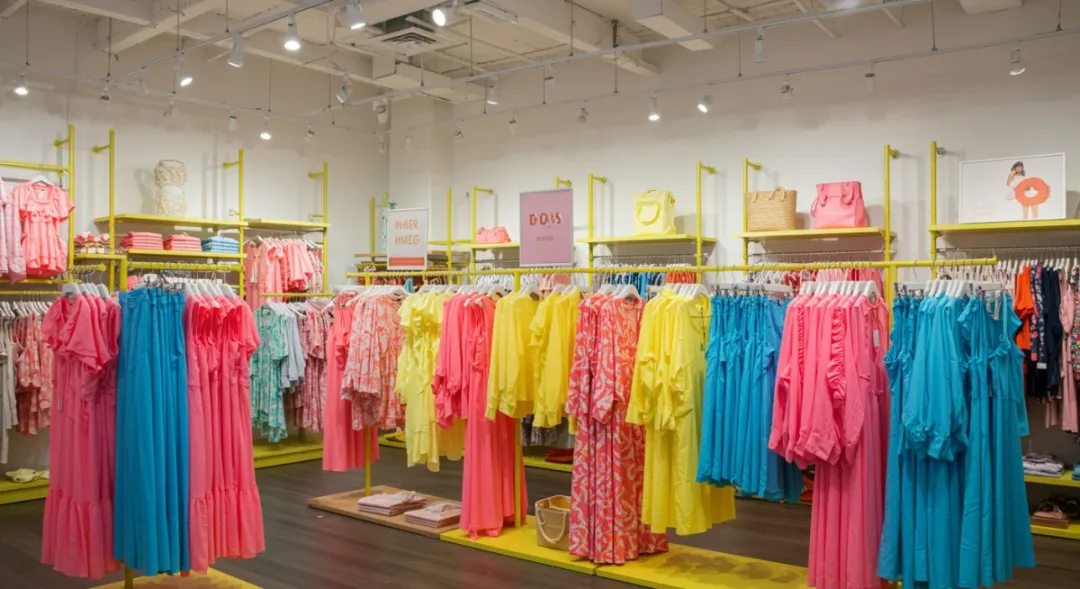
Summer 2026 brings an electrifying approach to color that American retailers describe as “joyful rebellion.” After years of minimalist neutrals dominating wardrobes, consumers are embracing vivid hues that make statements without words. The color trends emerging this season reflect both optimism and a rejection of the subdued aesthetics that defined the post-pandemic recovery period.
Primary shades dominating the market include electric coral, vivid azure, and acid green, each offering distinct styling possibilities. These colors appear across all price points, from high-end designer collections to fast-fashion essentials, ensuring that bold expression remains accessible regardless of budget constraints.
Color Psychology in Fashion Selection
- Electric Coral: Represents confidence and warmth, particularly popular in resort wear and swimwear collections
- Vivid Azure: Evokes tranquility and adventure, frequently appearing in summer separates and accessories
- Acid Green: Symbolizes renewal and environmental consciousness, bridging the gap between bold fashion and sustainable messaging
- Butter Yellow: A softer alternative offering versatility while maintaining seasonal relevance
Retail analysts note that color selection has become deeply personal, with consumers choosing shades that align with their emotional goals for the season. This psychological approach to wardrobe building represents a mature evolution in how Americans engage with fashion.
Nostalgic Aesthetics Meet Modern Interpretation
The fashion industry has always cycled through decades of inspiration, but summer 2026 marks a particularly interesting convergence of past aesthetics. The Y2K revival continues to influence silhouette preferences, while elements from the 1970s and 1990s are experiencing renewed interest among younger demographics.
This nostalgic embrace isn’t merely replication of past styles but rather thoughtful reinterpretation. Modern manufacturing techniques allow for improved fit, better quality materials, and enhanced comfort while maintaining the visual identity that makes vintage-inspired pieces so appealing. American designers have masterfully balanced nostalgia with contemporary sensibilities, creating garments that feel both familiar and fresh.
The proliferation of vintage resale platforms has accelerated this trend, with consumers increasingly interested in incorporating pre-loved pieces into their wardrobes. This circular approach to fashion aligns perfectly with sustainability goals while satisfying the desire for unique, individual expression.
Tech-Enhanced Functionality in Everyday Wear
Technology integration in fashion has moved beyond novelty gadgets to become a fundamental expectation among American consumers. Summer 2026 showcases remarkable advances in smart textiles that address real lifestyle needs without sacrificing aesthetic appeal.
Temperature-regulating fabrics have become particularly relevant as climate patterns shift across the country. Innovations in moisture-wicking technology now extend to everyday wear, not just athletic apparel. UV-protective clothing has evolved from bulky specialty items to seamlessly integrated wardrobe staples that don’t compromise on style.
Functional Innovations
- Temperature-Adaptive Materials: Phase-change polymers embedded in fabrics respond to body heat, providing cooling effects during hot summer days
- Wrinkle-Resistant Natural Fibers: Advanced treatments allow cotton and linen to maintain smooth appearances throughout wear
- Built-in UV Protection: UPF ratings of 50+ are now standard in summer collections without visible differences from traditional fabrics
- Odor-Control Technology: Antimicrobial treatments have become sophisticated enough to maintain effectiveness through multiple wears and wash cycles
The functionality-first approach resonates particularly well with American consumers who value practicality alongside style. Busy lifestyles demand wardrobe solutions that work as hard as they do, and retailers have responded accordingly.
Gender-Fluid Fashion Gains Mainstream Acceptance
The fashion industry’s gradual movement toward gender inclusivity has reached a tipping point in American retail. Summer 2026 sees an unprecedented number of brands eliminating traditional gender divisions in their collections, offering unified sizing and styling options that encourage personal expression over prescribed categories.
This shift represents more than marketing adjustments; it reflects fundamental changes in how American consumers understand fashion’s role in identity expression. Major department stores have restructured their floor plans to feature merchandise by style and occasion rather than gender, creating more accessible shopping experiences for everyone.
Celebrity collaborations and influencer partnerships have accelerated mainstream acceptance, with prominent figures advocating for fashion freedom. The resulting marketplace offers unprecedented choices for consumers seeking to express their authentic selves through clothing.
Local Manufacturing and Artisanal Revival
Supply chain disruptions of recent years have catalyzed a remarkable resurgence in domestic manufacturing. American consumers increasingly prefer domestically produced garments, valuing both the quality assurance and the economic support that local production represents.
This movement extends beyond simple patriotism to encompass appreciation for artisanal craftsmanship. Small-batch production methods, hand-finishing techniques, and attention to detail distinguish locally made pieces from mass-produced alternatives. The stories behind these garments—often shared directly by makers through social media—create meaningful connections between consumers and their clothing.
American-Made Advantages
- Quality Control: Domestic production allows for rigorous quality standards and immediate corrections when issues arise
- Reduced Lead Times: Local manufacturing enables faster response to trending styles and seasonal adjustments
- Supporting Communities: Purchasing American-made garments directly supports local economies and preserves skilled manufacturing jobs
- Environmental Benefits: Shorter transportation distances significantly reduce the carbon footprint of each garment
Retailers are responding to this demand by prominently labeling origin of manufacture and highlighting domestic production in their marketing materials. This transparency allows conscious consumers to make informed decisions aligned with their values.
The Evolution of Retail Experience
Physical retail spaces are transforming to accommodate changing consumer expectations. The traditional shopping model of simply displaying merchandise is giving way to experiential environments that offer education, entertainment, and community building alongside commerce.
Augmented reality mirrors allow customers to visualize garments without trying them on, while AI-powered style assistants provide personalized recommendations based on individual preferences and body types. These technological integrations reduce friction in the shopping process while maintaining the tactile benefits of in-person retail.
Sustainability education has become a standard feature in forward-thinking retail environments. Interactive displays explain material sourcing, manufacturing processes, and care instructions, empowering consumers to make informed decisions. This educational approach builds lasting relationships between brands and customers based on trust and shared values.
| Trend | Impact on American Retail |
|---|---|
| Sustainable Materials | Organic cotton, recycled plastics, and plant-based alternatives dominate collections across all price points |
| Bold Color Choices | Electric coral, vivid azure, and acid green replace minimalist neutrals as consumers seek joyful expression |
| Gender-Fluid Options | Traditional gender divisions fade as unisex collections and inclusive sizing become industry standard |
| Domestic Manufacturing | American-made products gain premium positioning as consumers value quality and support local economies |
Frequently Asked Questions
What are the most popular colors for summer 2026 in the United States?▼Electric coral, vivid azure, acid green, and butter yellow dominate the summer 2026 color palette. These bold hues represent a shift away from the neutral tones that characterized previous seasons, with American consumers embracing vibrant colors that express confidence and optimism. The trend spans all price points, making bold color choices accessible across the market.
How is sustainability influencing fashion purchasing decisions in America?▼Sustainability has become a primary consideration for American shoppers, with many consumers now researching brand practices before making purchases. Organic cotton, recycled materials, and transparent supply chains significantly influence buying decisions. Consumers have become skilled at identifying authentic sustainability efforts versus greenwashing, rewarding brands that demonstrate genuine environmental commitment.
Are gender-fluid fashion options widely available in US retail stores?▼Yes, gender-fluid fashion has achieved mainstream acceptance in American retail. Major department stores have restructured their floor plans to feature merchandise by style rather than gender, and numerous brands now offer unisex collections with inclusive sizing. This shift reflects broader cultural changes and responds to consumer demand for fashion that supports individual expression.
What technological features are integrated into summer 2026 fashion?▼Summer 2026 fashion incorporates numerous technological innovations including temperature-adaptive fabrics, advanced moisture-wicking technology, built-in UV protection, and odor-control treatments. These functional features address real lifestyle needs while maintaining aesthetic appeal. Smart textiles have evolved from novelty items to standard expectations among American consumers seeking practical wardrobe solutions.
Why is American-made clothing gaining popularity among US consumers?▼American-made clothing has surged in popularity due to supply chain concerns, quality preferences, and economic values. Consumers appreciate the superior quality control, reduced environmental impact from shorter transportation, and the economic benefit of supporting domestic manufacturing. Many shoppers also value the storytelling element of domestically produced garments and the artisanal craftsmanship they represent.
Conclusion
The fashion trends shaping American retail through summer 2026 represent a sophisticated evolution in how consumers engage with their wardrobes. Bold color choices, sustainable materials, gender-inclusive designs, and technological integration have combined to create a marketplace that honors both individual expression and collective responsibility. As American consumers continue to demand authenticity, quality, and values-driven purchasing options, the retail landscape will undoubtedly continue adapting to meet these expectations. The summer of 2026 isn’t just about what Americans will wear—it’s a reflection of who they are and who they aspire to be.
Written by
Maria Teixeira
Maria Teixeira writes about fashion & beauty for insider.onlyshein.com. Each article explains how things work, compares published details such as prices, policies and program rules, and points readers to the official source before they decide.