
Water Heater Replacement Timing: When Upgrade Saves 50% vs Emergency Repairs
Ads
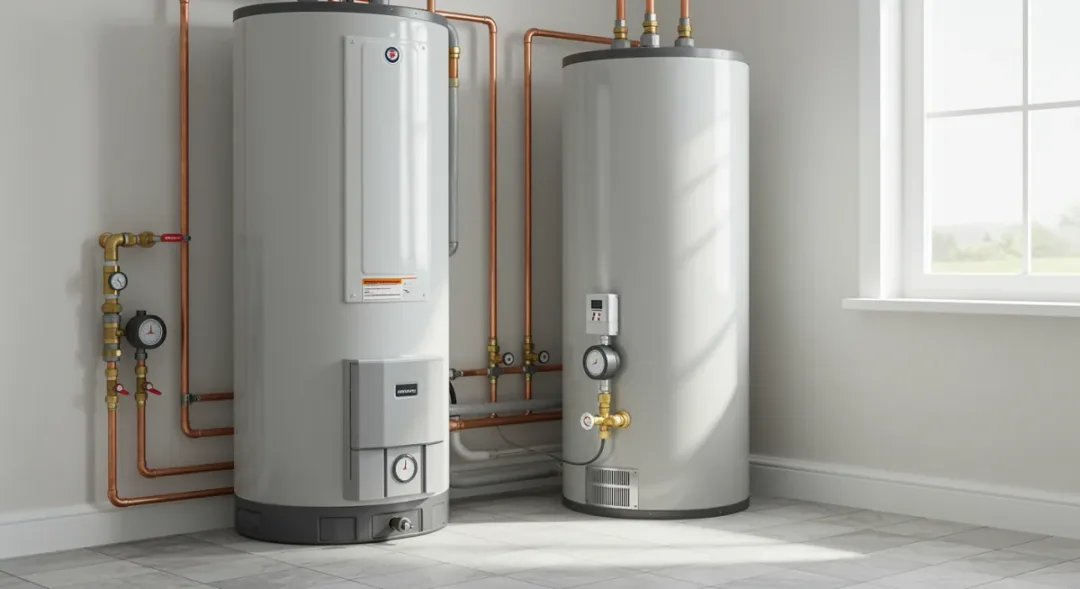
Replacing your water heater before catastrophic failure occurs can save you up to 50% in total costs compared to emergency repairs, with strategic timing based on unit age, performance decline, and repair frequency being the key decision factors.
Ads
Every homeowner eventually faces the question: when should I replace my water heater? The answer isn’t always straightforward, but the financial difference between planning ahead and reacting to an emergency can be substantial. Understanding the signs that indicate your water heater needs attention, along with the true cost comparison between planned upgrades and emergency repairs, empowers you to make smarter decisions for your home and your wallet. This guide breaks down exactly when replacement makes financial sense and how you can avoid the costly pitfalls of waiting too long.
Ads
Understanding Water Heater Lifespan and Performance Decline
Water heaters typically last between 10 and 15 years, though this lifespan varies based on water quality, usage patterns, and maintenance history. As units age, their efficiency naturally decreases, and the risk of failure increases significantly. Most manufacturers design their units with this timeframe in mind, which is why warranties often align with the 10-year mark.
The internal components of a water heater undergo constant stress from heating and cooling cycles, mineral buildup, and pressure fluctuations. Over time, the tank’s inner lining corrodes, heating elements lose effectiveness, and thermostats become less reliable. Even with regular maintenance, the physical degradation of these systems is inevitable.
Signs Your Water Heater Is Nearing End of Life
- Water takes longer to heat or never reaches the desired temperature
- Strange noises like rumbling, popping, or banging from the tank
- Water appears rusty or has a metallic smell
- Visible corrosion on the tank or fittings
- Frequent need for repairs that keep recurring
- Increased energy bills without explanation
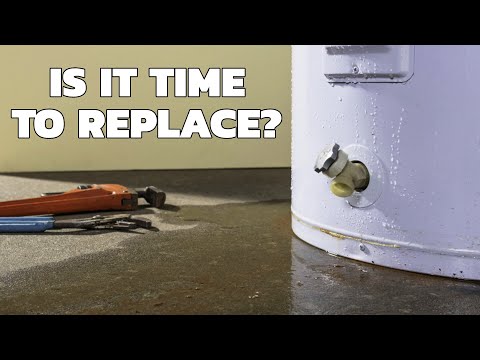
- Leaks or moisture around the base of the unit
When you notice several of these warning signs appearing together, your water heater is sending a clear message that replacement is becoming urgent. The presence of rust-colored water particularly demands attention, as this indicates the inner lining is breaking down and contamination is occurring.
The True Cost Comparison: Planned Upgrade vs Emergency Repair
When analyzing the financial difference between a planned water heater replacement and an emergency repair situation, the numbers might surprise you. A planned upgrade, including removal of the old unit, installation of a new water heater, and proper disposal, typically costs between $800 and $2,500 depending on the type and size you choose. Emergency situations, however, often multiply these costs significantly.
Emergency repairs carry hidden costs that go beyond the immediate plumbing bill. When your water heater fails unexpectedly, you face potential water damage to flooring and walls, the expense of temporary hot water solutions like rental units or hotel stays, overtime labor rates for emergency service calls, and often the need for same-day installation which limits your negotiating leverage. These factors combined can push total emergency costs 50% higher or more compared to a planned replacement.
Breaking Down the 50% Savings Calculation
- Planned replacement: $1,200 to $1,800 average
- Emergency replacement: $1,800 to $3,500 average
- Additional emergency costs: $300 to $1,000 in water damage, temporary housing
- Total potential savings: 40-60% by avoiding emergency situations
The math becomes compelling when you consider that many homeowners who delay replacement eventually face exactly these emergency scenarios. The water heater that seems to be working adequately today may fail completely tomorrow, leaving you with no hot water and a urgent financial burden.
When Replacement Makes More Sense Than Repair
Not every water heater problem requires full replacement, and understanding when repair makes more sense versus when upgrade is the smarter choice requires careful evaluation. Minor issues like a faulty thermostat or heating element can often be fixed affordably, extending your unit’s life by several years at a fraction of replacement cost.
However, certain situations clearly indicate replacement is the better investment. If your water heater is over 12 years old and requires a major repair, the cost of that repair plus the likelihood of additional failures soon makes replacement the more economical choice. Similarly, if your unit has a cracked tank, replacement is your only real option, and waiting only increases your risk of water damage.
Repair vs Replace Decision Factors
- Age of unit: Replace if over 12 years and repair needed
- Repair cost: Replace if repair exceeds 50% of replacement cost
- Repair history: Replace if multiple repairs in past 2 years
- Energy efficiency: Replace if unit lacks current energy efficiency standards
- Type of failure: Replace if tank crack or significant corrosion present
Consider also that newer water heaters offer significant energy efficiency improvements. A unit manufactured 15 years ago operates much less efficiently than today’s models, meaning your monthly utility savings from a new installation can help offset the replacement cost over time.
Strategic Timing for Water Heater Replacement
Timing your water heater replacement strategically can further maximize your savings and minimize disruption to your daily life. Unlike emergency situations that force immediate decisions, planned replacement allows you to research options, compare prices, and schedule installation at your convenience.
The best time to replace your water heater is during mild weather months, typically spring or early fall, when demand for HVAC and water heating services is lower. Contractors often offer better pricing during these off-peak periods, and you’ll have more flexibility in scheduling. Additionally, you can avoid the discomfort of being without hot water during extreme weather conditions.
Optimal Replacement Windows
- Spring months (March through May) offer ideal scheduling flexibility
- Early fall (September through October) before heating season peaks
- Avoid winter months when emergency HVAC demand is highest
- Consider replacement when water heater reaches 10-year mark proactively
- Monitor for early warning signs starting around year 8
Planning your replacement around these windows gives you bargaining power and ensures you work with contractors who can give your project proper attention rather than rushing through to the next emergency call.
Types of Water Heaters and Replacement Considerations
Today’s market offers several water heater options beyond traditional tank-style units, each with distinct advantages and considerations for replacement. Understanding these options helps you choose the right system for your household’s needs and budget.
Tank-style water heaters remain the most common and typically the most affordable option, storing 30 to 80 gallons of hot water ready for use. Tankless units heat water on demand, offering unlimited hot water and greater energy efficiency but requiring higher upfront investment. Heat pump water heaters use ambient air to heat water, providing exceptional efficiency in moderate climates but requiring adequate space for installation.
Comparing Water Heater Types
- Tank-style: Lower upfront cost ($800-$1,500), higher operating costs
- Tankless: Higher upfront cost ($1,500-$3,000), lower operating costs, longer lifespan
- Heat pump: Mid-range cost ($1,200-$3,000), highest efficiency, requires space
- Solar: Highest upfront cost, significant long-term savings in sunny climates
When replacing your water heater, consider not just the upfront cost but the total cost of ownership over the unit’s expected lifespan. A slightly more expensive unit with better efficiency can provide substantial savings over time while reducing your environmental impact.
Preventive Maintenance and Early Detection
While replacement timing is crucial, extending your water heater’s lifespan through proper maintenance remains worthwhile. Regular maintenance can’t prevent eventual replacement, but it can help you maximize your investment and identify warning signs before they become emergencies.
Annual flushing of the tank removes sediment buildup that accelerates wear and reduces efficiency. Checking the pressure relief valve ensures the system operates safely. Inspecting for signs of corrosion allows early intervention. These simple maintenance tasks take minimal time but provide valuable information about your unit’s condition.
Essential Maintenance Tasks
- Flush tank annually to remove sediment and mineral buildup
- Test pressure relief valve for proper operation
- Inspect anode rod every 2-3 years and replace if corroded
- Check for leaks or moisture around unit base
- Monitor water quality and temperature consistency
- Keep area around unit clear and accessible
Maintaining detailed records of repairs, maintenance, and any performance issues creates a valuable history that helps predict when replacement might become necessary. This documentation also proves useful when discussing options with contractors.
Making the Financial Case for Proactive Replacement
For many homeowners, the hardest part of water heater replacement is justifying the expense when the old unit still seems to work. However, the financial case for proactive replacement becomes clear when you account for all factors including repair costs, energy efficiency, and emergency risk.
Consider that the average emergency water heater failure costs homeowners not just the replacement unit and installation, but also potentially thousands of dollars in water damage restoration, temporary accommodation, and the stress of dealing with an urgent home repair. These emergency costs often exceed the price difference between a planned replacement and the most expensive emergency scenario by a significant margin.
The 50% savings figure isn’t merely theoretical. Homeowners who plan their replacements strategically avoid the premium pricing of emergency service, sidestep potential property damage, and maintain control over their upgrade choices rather than accepting whatever unit is immediately available.
| Key Point | Brief Description |
|---|---|
| Lifespan Expectancy | Most water heaters last 10-15 years, with efficiency declining significantly after year 10 |
| Emergency Cost Premium | Emergency replacements cost 40-60% more than planned upgrades due to urgent labor, same-day pricing, and damage |
| Optimal Replacement Timing | Spring and early fall offer better pricing and scheduling flexibility compared to winter emergency seasons |
| Warning Signs | Rusty water, strange noises, slow heating, frequent repairs, and visible corrosion indicate imminent replacement needs |
Frequently Asked Questions
How do I know if my water heater needs replacement rather than repair?▼Consider replacement when your water heater is over 12 years old and needs repair, if repair costs exceed 50% of replacement cost, or if you’ve had multiple repairs in the past two years. Visible tank corrosion, cracks, or consistent rusty water also indicate replacement is necessary rather than repairable.
What is the average cost difference between planned replacement and emergency repair?▼Planned water heater replacement typically costs $1,200 to $1,800, while emergency replacements can cost $1,800 to $3,500 or more. Additional emergency costs like water damage restoration and temporary housing can push total expenses 40-60% higher than planned replacement.
What time of year is best to replace a water heater?▼Spring (March through May) and early fall (September through October) offer the best timing for replacement. These off-peak seasons typically provide better pricing, more flexible scheduling, and less stressful installation conditions compared to winter months when emergency HVAC demand peaks.
What are the most important warning signs that my water heater is failing?▼Key warning signs include rusty or discolored water, strange rumbling or popping noises, water taking longer to heat, frequent need for repairs, visible corrosion on the tank or connections, and increased energy bills without other explanation. Multiple signs appearing together indicate urgent replacement consideration.
Is it worth upgrading to a tankless water heater during replacement?▼Tankless water heaters cost more upfront ($1,500-$3,000) but offer unlimited hot water, longer lifespan (20+ years), and lower operating costs. For households with high hot water demand, the efficiency gains and convenience often justify the higher initial investment over time.
Conclusion
The decision of when to replace your water heater significantly impacts your finances and home comfort. By monitoring your unit’s age, performance, and maintenance history, you can time replacement proactively rather than reactively. The difference between a planned upgrade and an emergency repair can mean savings of 50% or more, along with the peace of mind that comes from knowing your hot water system is reliable. Don’t wait for your water heater to fail completely before taking action. Evaluate your unit’s condition today, plan your replacement strategically, and protect both your home and your budget from unnecessary expenses.
Written by
Lucas Bastos
Lucas Bastos writes about home for insider.onlyshein.com. Each article explains how things work, compares published details such as prices, policies and program rules, and points readers to the official source before they decide.