
Fashion Rental Services Analysis: Can Americans Save 60% By Renting Instead of Buying?
Ads
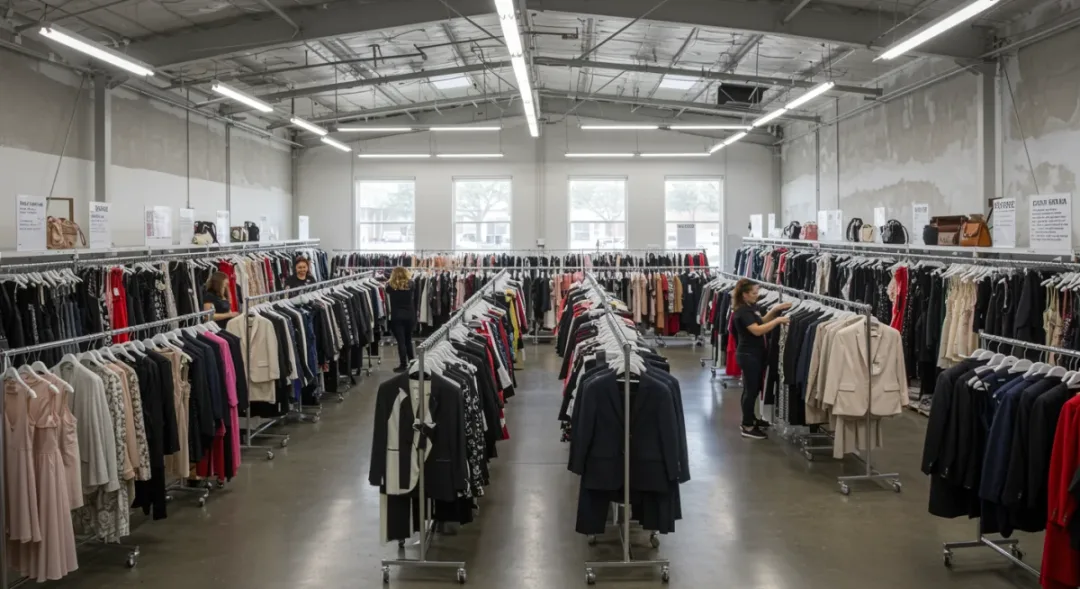
Fashion rental services offer Americans an alternative to purchasing expensive designer clothing, with potential savings reaching 60% for occasional wearers who rent instead of buying luxury pieces for special occasions.
Ads
The American wardrobe is undergoing a quiet revolution. Across living rooms and closets from coast to coast, a growing number of consumers are questioning the long-standing habit of purchasing clothing outright. What if you could wear a Valentino gown for one night, then send it back? What if that $3,000 designer suit could be yours for $150? These questions lie at the heart of the fashion rental industry, a market that has expanded significantly over the past decade. The promise is compelling: access to luxury fashion without the luxury price tag. But can the average American really save 60% by choosing to rent rather than buy? The answer, as with most financial decisions, depends on how you shop, what you wear, and what you value.
Ads
Understanding Fashion Rental Services
Fashion rental services operate on a simple premise: instead of purchasing clothing outright, consumers pay a fraction of the retail price to wear items for a specified period. The model has gained traction as consumers increasingly seek flexibility over ownership, particularly for special-occasion wear that might otherwise sit unworn in a closet for months or years.
The industry encompasses several types of services. Subscription-based platforms offer monthly access to rotating wardrobes, where members can borrow a set number of items at a time. Event-focused rentals cater specifically to consumers needing outfits for weddings, galas, or business functions. Some services specialize in designer pieces, while others focus on everyday professional wear.
How the Rental Process Works
The typical rental journey begins with creating an account and browsing available inventory. Consumers select items, choose rental dates, and pay a fee that usually includes shipping both ways and basic cleaning. After the rental period ends, items are returned using prepaid shipping labels. Most platforms handle professional cleaning between rentals, relieving consumers of that responsibility.
- Browse and select items from available inventory
- Choose rental dates that align with your needs
- Pay rental fees plus refundable security deposits when required
- Receive items by mail with prepaid return labels
- Wear items as if they were your own
- Return items after the rental period ends
The convenience factor cannot be overstated. For consumers who attend only a handful of formal events annually, the ability to wear designer labels without the commitment of ownership represents a genuine alternative to traditional shopping. The question becomes whether this convenience translates into meaningful financial savings.

The Economics of Renting Versus Buying
To determine whether renting saves money, we need to examine actual cost comparisons. Let’s consider a common scenario: a woman attending four formal events per year who typically purchases a new cocktail dress or evening gown for each occasion. At an average of $300 per dress purchased retail, the annual cost reaches $1,200. Now consider the rental alternative.
Rental prices for designer evening wear typically range from $75 to $250 per rental, depending on the item’s retail value and the platform used. Assuming four rentals at an average of $150 each, the annual cost drops to $600. That represents a 50% savings immediately. However, this calculation requires additional nuance.
Breaking Down the Numbers
When evaluating rental versus purchase, several factors influence the actual savings percentage. The retail price of the item being rented matters enormously. Renting a dress that costs $2,000 retail for $150 represents significantly better value than renting a $300 retail dress for $75. Additionally, rental fees often include cleaning, which would otherwise add $15-30 per purchase if using professional services.
- Four purchased dresses at $300 each: $1,200 + cleaning costs
- Four rented designer dresses at $150 each: $600 total
- Potential savings: $600 or more annually
- Percentage savings: approximately 50% for this scenario
Reaching the 60% savings threshold requires either higher-priced items being rented or a greater number of annual rentals. A consumer who typically spends $500 per formal outfit and opts for $175 rentals could achieve 65% savings. Similarly, someone who attends eight events annually while purchasing four outfits ($2,000 spent) versus renting eight times ($1,200 spent) approaches that 60% mark.
It’s worth noting that purchase enthusiasts can recoup partial value through resale, though designer items typically lose 40-60% of retail value immediately upon purchase. This resale potential partially offsets the purchase cost but rarely eliminates the rental savings advantage for moderate-use consumers.
Major Fashion Rental Platforms in the US
The American fashion rental market features several prominent players, each with distinct business models and target demographics. Understanding their differences helps consumers choose the platform best suited to their needs.
Fashion rental savings opportunities vary significantly across platforms. Rent the Runway, perhaps the most widely recognized name in this space, pioneered the subscription model and offers both membership plans and à la carte rentals. Their unlimited plan allows members to borrow multiple items monthly, potentially maximizing value for frequent users. Other platforms like Armoire focus on professional attire, while Nuuly (owned by Urban Outfitters) offers a broader mix of contemporary and designer pieces.
Comparing Platform Options
Each platform presents unique advantages. Event-focused services like Hire or Lendinglux specialize in high-end designer pieces perfect for black-tie occasions. Subscription services provide more flexibility for ongoing wardrobe needs. Some platforms offer physical showroom experiences where consumers can try items before committing to rentals, adding a tactile element to the digital process.
- Rent the Runway: Subscription and à la carte options, wide designer selection
- Armoire: Professional and everyday wear focus, curated boxes
- Nuuly: Contemporary fashion, family-style sharing options
- Hire: High-end designer pieces for special events
- Lendinglux: Luxury fashion for formal occasions
Price points differ accordingly. Basic subscription plans start around $69 monthly, while premium unlimited memberships reach $150 or more. Single rental prices span from $30 for contemporary items to $300+ for runway pieces. Consumers should assess their actual usage patterns before committing to any subscription, as monthly fees add up quickly if items go unused.
Hidden Costs and Considerations
While the arithmetic of rental savings appears straightforward, several hidden factors can erode the financial benefits. Understanding these considerations prevents unpleasant surprises and helps consumers make informed decisions.
Shipping costs, while often advertised as included, sometimes apply only to standard shipping. Express delivery, which many consumers need for last-minute events, can add $15-30 per order. Late return fees represent another potential expense, with some platforms charging $15-30 daily for items returned past the deadline. These charges accumulate quickly for disorganized or busy consumers.
Additional Financial Factors
Security deposits, while refundable, require upfront capital that some consumers might prefer to avoid. Insurance fees for particularly valuable items add 10-15% to rental costs. Some platforms charge restoration fees for items returned damaged or heavily soiled, though normal wear expectations are typically reasonable.
- Express shipping fees: $15-30 for faster delivery
- Late return penalties: $15-30 per day overdue
- Security deposits: $50-200 per high-value item
- Optional insurance: 10-15% of rental cost
- Damage restoration fees: variable based on item condition
Time investment represents a less tangible but genuine cost. Browsing options, selecting sizes, managing returns, and planning rental dates requires effort. For consumers who value convenience highly, these time costs might outweigh the financial savings. Additionally, the inability to wear items repeatedly for personal sentimental value represents a non-financial loss that some consumers find meaningful.
Who Benefits Most from Fashion Rental?
Not every consumer will achieve optimal savings through fashion rental. Identifying the ideal candidate helps set realistic expectations and prevents disappointment.
The consumers who benefit most typically share certain characteristics. They attend formal events infrequently, perhaps two to six times annually, rather than weekly. They prefer variety and enjoy wearing different items for each occasion rather than repeating outfits. They have flexible schedules that accommodate rental timelines and return deadlines. They value access to designer labels more than ownership of those labels.
Ideal Candidates for Rental Savings
Conversely, certain consumers may find purchasing more economical. Those who attend frequent formal events, particularly recurring occasions like annual galas where wearing the same outfit might be acceptable, could save more through strategic purchases. Consumers with very specific style preferences or unusual sizing might struggle to find suitable rental options. Those who value wardrobe continuity and developing personal style through repeated wearing might find rental fragmentation unsatisfying.
- Occasional event attendees (2-6 times annually)
- Variety-seekers who prefer different outfits each time
- Flexible schedulers who can plan ahead
- Designer label enthusiasts on limited budgets
- Travelers needing temporary wardrobes
Professionals who need rotating work attire represent another strong demographic. Rather than purchasing an entire professional wardrobe, subscription services allow them to maintain a polished appearance without significant capital outlay. This approach particularly appeals to early-career professionals who need to project success without the accompanying price tag.
The Environmental and Social Impact
Beyond personal finances, fashion rental carries broader implications worth considering. The environmental argument for rental services rests on the concept of shared resources. When one garment serves multiple consumers, fewer total items need manufacturing, potentially reducing the industry’s significant environmental footprint.
The fashion industry ranks among the world’s largest polluters, contributing approximately 10% of global carbon emissions. Extending garment lifecycles through rental and reuse represents one strategy for mitigating these impacts. However, the environmental benefit depends on rental logistics—shipping items across the country repeatedly generates its own carbon footprint that partially offsets shared-usage gains.
Weighing the Tradeoffs
Transportation emissions from rental logistics represent a meaningful consideration. Each rental requires shipping both directions, often across significant distances. A single garment might travel thousands of miles annually, burning fuel and generating emissions. Some platforms attempt to mitigate this through carbon offset programs or optimized shipping logistics, but the impact remains.
- Reduced individual consumption through shared usage
- Extended garment lifecycles across multiple owners
- Transportation emissions from shipping logistics
- Professional cleaning chemical use between rentals
- Carbon offset initiatives at select platforms
Social considerations also merit attention. The rental model makes high-fashion accessible to consumers who might otherwise feel excluded from luxury fashion spaces. This democratization of designer wear carries genuine social value, particularly for communities historically marginalized in fashion marketing. Whether this accessibility benefit outweighs environmental costs remains subjective and dependent on individual priorities.
Making the Switch: Practical Tips
For consumers considering the rental approach, strategic planning maximizes savings while minimizing friction. Several practical steps help ensure a positive experience.
Begin by honestly assessing your annual event calendar. How many formal occasions genuinely require special attire? What types of events dominate—cocktail parties, black-tie galas, professional conferences? This assessment determines whether rental makes financial sense and helps narrow platform selection to those serving your specific needs.
Strategies for Maximum Savings
Timing significantly impacts rental economics. Booking rentals well in advance secures better selection and often lower prices than last-minute reservations. Many platforms offer early-bird discounts or promotional codes for advance bookings. Conversely, last-minute rentals command premium prices and limit options.
- Calculate your actual annual formalwear needs before subscribing
- Book rentals 2-4 weeks in advance for best prices and selection
- Sign up for platform newsletters to access promotional offers
- Consider annual subscription plans if you rent frequently
- Track return dates carefully to avoid late fees
- Compare total costs including shipping and deposits across platforms
Understanding platform policies prevents unexpected expenses. Review cleaning policies, damage definitions, and return procedures before your first rental. Some platforms are more flexible than others, and this flexibility often correlates with price—budget services tend to enforce policies strictly while premium services offer more grace.
Building a relationship with a platform can yield benefits over time. Frequent users often receive priority access to popular items, extended rental periods, or occasional loyalty discounts. While this shouldn’t drive platform selection initially, long-term users can extract additional value through consistent engagement.
| Key Point | Brief Description |
|---|---|
| Potential Savings | Renters can save 50-65% compared to purchasing designer pieces for occasional wear |
| Ideal User Profile | Consumers attending 2-6 formal events annually who value variety over ownership |
| Hidden Costs | Express shipping, late fees, security deposits, and potential damage charges can reduce savings |
| Environmental Impact | Shared usage extends garment life but shipping logistics generate transportation emissions |
Frequently Asked Questions
How much can I realistically save by renting fashion instead of buying?▼Savings range from 40-65% depending on your shopping habits and the items rented. For occasional event attendees renting designer pieces, savings typically reach 50-60%. The greatest savings occur when renting high-retail-value items for short periods, as rental fees remain relatively stable regardless of original price.
Is fashion rental worth it for everyday wear or only special occasions?▼Fashion rental makes most sense for special occasions and periodic professional needs. For everyday wear, subscription costs often exceed purchasing a capsule wardrobe. The break-even point typically falls around 6-8 rentals monthly for subscription plans, making frequent rotation essential for value optimization.
What happens if I damage or lose a rented item?▼Most platforms charge varying fees depending on damage severity. Normal wear is expected and forgiven, but significant damage like stains, tears, or missing components typically results in fees deducted from your security deposit or charged to your payment method. Lost items usually require full retail replacement payment.
Can I rent the same item multiple times to get more use from it?▼Yes, most platforms allow repeated rentals of the same item. Some offer loyalty programs or repeat-renter discounts. However, popular items may have limited availability during peak seasons, so planning ahead is advisable. You can also request favorites to be added to your account for easier re-renting.
Are there sizing issues when renting fashion?▼Sizing can be tricky with rentals since brands use different size standards. Most platforms provide detailed measurement charts and user reviews about fit. Ordering multiple sizes of the same item for the same dates, keeping what fits and returning the rest, is a common strategy that ensures proper fit while only paying for rented items you keep.
Conclusion
Fashion rental services present a genuine financial alternative for American consumers who attend occasional events and prefer variety over ownership. While the advertised 60% savings figure is achievable under specific circumstances—particularly for high-value items rented infrequently—most consumers can expect savings in the 40-55% range. The key lies in honest self-assessment of actual needs, careful platform selection, and strategic timing of rentals. For the right consumer, fashion rental represents not just cost savings, but a fundamentally different relationship with clothing—one built on access rather than accumulation, flexibility rather than commitment, and shared resources rather than individual ownership. Whether this model serves your lifestyle and values depends on factors beyond pure economics, but the option is now firmly established as a mainstream alternative in the American fashion landscape.
Written by
Maria Teixeira
Maria Teixeira writes about fashion & beauty for insider.onlyshein.com. Each article explains how things work, compares published details such as prices, policies and program rules, and points readers to the official source before they decide.