
Foundation Maintenance Red Flags: 7 Warning Signs
Ads
Foundation maintenance red flags include visible wall cracks, sticking doors and windows, uneven floors, gaps between walls, water damage, foundation settling, and bowing walls—each requiring immediate professional assessment to prevent costly structural failure.
Ads
Your home’s foundation is literally the ground beneath everything you own. When problems develop beneath the surface, they rarely stay hidden for long. Recognizing Foundation Maintenance Red Flags: 7 Warning Signs Requiring Immediate Professional Attention could mean the difference between a minor repair and a major structural crisis that costs tens of thousands of dollars. These warning signs often appear gradually, whispering clues before they scream for attention.
Ads
Visible Cracks in Walls and Floors
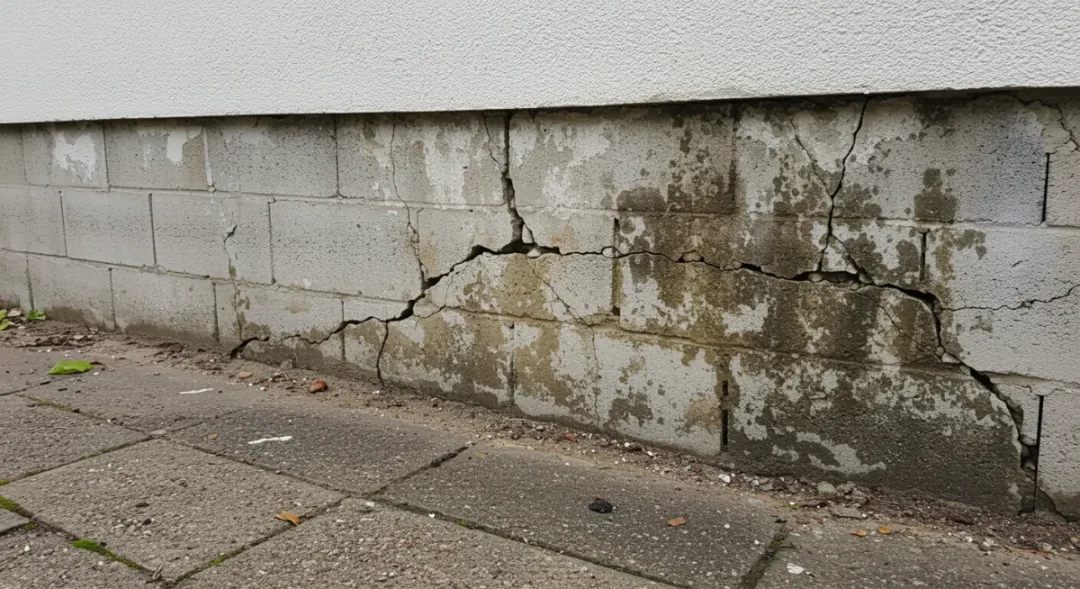
One of the most recognizable indicators of foundation trouble appears right on your walls. Not every crack signals disaster—homes settle naturally over time, and hairline cracks in drywall are common. However, certain crack patterns demand immediate attention.
Horizontal cracks in foundation walls suggest excessive lateral pressure from soil outside your home. These cracks often widen over time and may allow water infiltration. Stair-step cracks in brick or masonry walls typically indicate differential settling, where one part of the foundation sinks faster than another. Vertical cracks, while sometimes less concerning, can still allow moisture penetration when they exceed one-eighth of an inch in width.
When Cracks Signal Emergency
- Cracks wider than one-quarter inch
- Cracks that appear suddenly or expand rapidly
- Multiple cracks forming a pattern across walls
- Cracks accompanied by visible foundation displacement
If you notice any of these patterns developing in your home, the situation likely requires assessment by a licensed structural engineer or foundation specialist. Waiting only allows damage to progress, often transforming manageable repairs into major reconstruction projects.

Doors and Windows Sticking or Misaligned
Foundation movement affects everything above it, including the doors and windows that once opened and closed smoothly. When your foundation shifts, door and window frames become distorted, causing operational problems that seem to appear overnight.
You might notice doors suddenly sticking in their frames, requiring excessive force to open or close. Windows may no longer seat properly in their tracks, leaving gaps that let air escape and pests enter. In more advanced cases, you may see visible gaps forming around door and window frames where caulking separates from the wall.
The key distinction lies in timing. A door that has always been slightly sticky likely has a minor alignment issue. A door that suddenly becomes difficult after years of smooth operation suggests foundation movement beneath. Check multiple doors throughout your home—if several become problematic simultaneously, your foundation likely needs professional evaluation.
Gaps Between Walls and Ceilings or Floors
As foundations settle or shift, the connection points between walls and other structural elements often reveal the movement through visible gaps. These separations typically appear where walls meet ceilings, where walls meet floors, or where interior walls meet exterior walls.
These gaps often develop gradually, making them easy to overlook until they become substantial. What begins as a barely perceptible separation can widen over months, eventually becoming obvious to visitors or during routine cleaning. The gap’s direction often indicates the type of foundation movement occurring—gaps widening at the top suggest settling, while gaps at the bottom may indicate heaving.
Common Gap Locations
- Where interior walls meet ceilings
- At the junction of walls and baseboards
- Between crown molding and ceiling
- Around door frames, especially at the top
Document any gaps you discover, photographing them with a measuring tape visible to track changes over time. This documentation proves valuable when professionals assess your foundation, showing the rate and pattern of movement.
Uneven or Sagging Floors
Your floors should remain relatively level throughout your home. While older homes may have slight variations from decades of settling, pronounced unevenness indicates active foundation problems requiring professional attention.
Test your floors by placing a marble or small ball on surfaces in various rooms. The object should remain stationary on level flooring. Watch for rolling that indicates slope. You might also notice a swaying sensation when walking across certain areas, or hear creaking sounds that seem to originate from the floor structure itself.
Sagging floors often indicate compromised support beneath—either foundation piers have failed, soil beneath has eroded, or wooden support members have deteriorated. In some cases, the problem originates in the floor joists rather than the foundation itself, but both situations require professional diagnosis to determine the appropriate solution.
Water Damage and Moisture Problems
Water and foundations maintain a complex relationship. While foundations require proper drainage to function correctly, excessive moisture or inadequate water management creates serious structural problems that often manifest as visible damage throughout your home.
Standing water near your foundation after rainfall suggests drainage problems that will eventually compromise structural integrity. Water infiltration through foundation walls creates damp basements, promotes mold growth, and erodes soil supporting the foundation. In areas with expansive clay soils, inconsistent moisture levels cause the ground to expand and contract, placing tremendous pressure on foundation walls.
Moisture Warning Signs
- Water stains on foundation walls
- Efflorescence (white mineral deposits) on concrete
- Musty odors in basements or crawl spaces
- Pooling water around the foundation perimeter
Address drainage issues promptly. Gutters and downspouts should direct water at least six feet from your foundation. The ground should slope away from your home at a rate of approximately six inches over ten feet. French drains or other waterproofing systems may be necessary in problem areas.
Foundation Settling or Sunken Areas
Foundations naturally settle slightly after construction, but excessive or uneven settling creates visible problems both inside and outside your home. Recognizing the signs of problematic settling helps you act before minor issues become catastrophic failures.
Exterior indicators include foundation sections that appear to have sunk relative to other sections. You might see gaps where the foundation meets the siding, or brick veneer separating from windows and doors. Porches and patios that have pulled away from the main structure often indicate differential settling beneath these additions.
Interior signs of settling include cracks in drywall that follow ceiling joist patterns, doors that have dropped and no longer engage their strikes properly, and appliances that no longer sit level on their pads. Multiple simultaneous indicators strongly suggest your foundation has settled beyond normal parameters.
Bowing or Leaning Foundation Walls
Perhaps the most alarming foundation problem involves walls that curve or lean outward. Bowing foundation walls indicate extreme pressure from expansive soil or hydrostatic pressure that threatens complete wall failure if left unaddressed.
Bowing typically begins subtly—a wall that appears slightly curved rather than perfectly straight. Over time, the curvature increases, cracks develop horizontally along the bowing section, and the wall eventually buckles or collapses if no intervention occurs. This progressive failure often spans months or years, giving homeowners opportunities to seek professional help before catastrophic collapse.
Foundation wall reinforcement systems can often correct bowing without complete wall replacement. Options include carbon fiber straps, steel I-beams, and wall anchors that permanently stabilize the structure. The appropriate solution depends on the extent of bowing, soil conditions, and your budget—but all require professional assessment to design properly.
| Warning Sign | What It Indicates |
|---|---|
| Visible Wall Cracks | Foundation movement or structural stress requiring professional assessment |
| Sticking Doors/Windows | Frame distortion from foundation shifting indicating settlement issues |
| Uneven Floors | Compromised structural support beneath flooring requiring immediate attention |
| Bowing Walls | Extreme soil pressure threatening structural collapse if untreated |
Frequently Asked Questions About Foundation Warning Signs
How quickly do foundation problems typically worsen?▼Foundation problems vary significantly in their progression rate. Minor settling may occur over decades without causing serious damage, while active soil issues can cause rapid deterioration within months. Factors including soil type, climate, drainage, and the original construction quality all influence progression speed. Once you notice definite warning signs, scheduling a professional evaluation within weeks rather than months generally prevents more extensive damage.
Can I repair foundation cracks myself or should I hire a professional?▼While DIY crack repair kits exist for minor cosmetic cracks, most foundation repairs require professional expertise. Surface repairs without addressing underlying causes often fail catastrophically. Professionals can diagnose whether cracks indicate serious structural issues or cosmetic concerns, and they can recommend appropriate repair methods. Foundation work typically requires permits and inspections, making professional involvement essential for both safety and property value protection.
How much does foundation repair typically cost in the United States?▼Foundation repair costs vary dramatically based on damage extent, repair method, and geographic location. Minor crack repairs might cost $500-$2,000, while major structural repairs can exceed $20,000-$50,000. Pier and beam repairs, wall reinforcement systems, and comprehensive waterproofing represent significant investments. Obtaining multiple estimates from licensed contractors helps ensure fair pricing, and financing options are often available for major repairs.
Does homeowners insurance typically cover foundation repairs?▼Standard homeowners policies usually exclude foundation damage from soil movement, including settling, subsidence, and expansive soil damage. Coverage often applies only when damage results from covered perils like plumbing leaks or sudden accidental water discharge. Review your specific policy carefully and consider supplemental foundation coverage if you live in areas prone to soil-related foundation problems. Documentation of your foundation’s condition at policy inception helps with claims processing.
What preventive measures protect my foundation from damage?▼Preventive foundation maintenance includes maintaining consistent soil moisture around your home, ensuring proper drainage away from the foundation, keeping gutters clean and functional, and addressing plumbing leaks immediately. Regular visual inspections help you catch problems early. Trees and large shrubs should be planted far enough from the foundation to prevent root intrusion. Annual professional inspections provide peace of mind and catch issues before they become expensive emergencies.
Conclusion
Your foundation demands attention when warning signs appear. The seven red flags outlined here—wall cracks, sticking doors, gaps, uneven floors, moisture problems, settling, and bowing walls—each signal foundation distress requiring professional evaluation. Addressing these issues promptly prevents minor problems from becoming major structural failures that compromise your home’s safety and value. Trust licensed structural engineers or foundation specialists to diagnose your specific situation and recommend appropriate repairs. Your home’s stability depends on recognizing these warning signs and responding before small issues become expensive catastrophes.
Written by
Lucas Bastos
Lucas Bastos writes about home for insider.onlyshein.com. Each article explains how things work, compares published details such as prices, policies and program rules, and points readers to the official source before they decide.