
Landscaping ROI: How Curb Appeal Improvements Increase Property Value by 12%
Ads
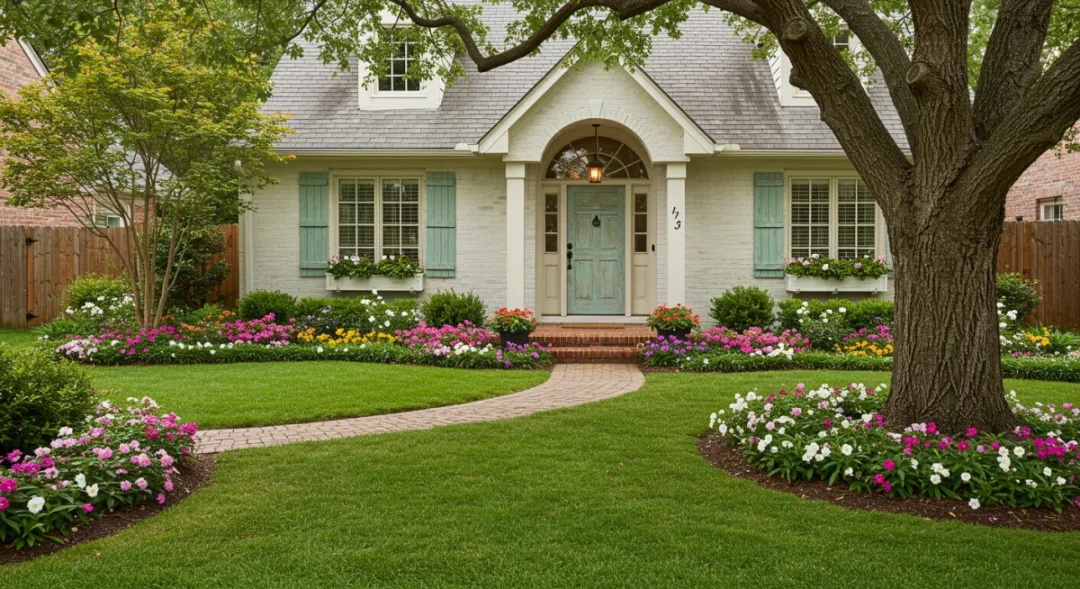
Strategic landscaping improvements can increase property value by up to 12%, making curb appeal one of the most rewarding home investments homeowners can make.
Ads
When potential buyers drive up to a home, the first thing they notice is the exterior. That initial impression shapes their entire perception of the property and often determines whether they want to see more. Landscaping ROI has become a hot topic among homeowners looking to maximize their property investments, and the numbers might surprise you. Studies consistently show that professional curb appeal improvements can boost home values by a significant margin, delivering returns that rival some of the most popular renovation projects. Whether you’re planning to sell soon or simply want to enjoy a more beautiful outdoor space, understanding how strategic landscaping affects property value can help you make smarter decisions about where to invest your money and effort.
Ads
The Science Behind First Impressions
The connection between curb appeal and property value isn’t just anecdotal—real estate researchers have quantified this relationship extensively. When appraisers evaluate a home, they consider the exterior condition as a critical factor in their assessment. A well-maintained landscape signals to buyers and appraisers alike that the property has been cared for consistently, suggesting that the interior maintenance may be equally diligent.
Real estate agents frequently report that homes with strong curb appeal sell faster and often above asking price. This phenomenon occurs because the exterior creates an emotional connection before buyers even step inside. The visual appeal of a property activates positive associations, making buyers more willing to overlook minor interior flaws and more excited about the prospect of calling the house their home.
What Buyers Look For
- Lush, green lawns without bare patches or weeds
- Well-defined walkways and entry paths
- Mature trees and strategically placed shrubs
- Clean, inviting outdoor living spaces
- Consistent maintenance throughout all seasons
Understanding these preferences helps homeowners prioritize their landscaping investments. Not every improvement delivers equal returns, and knowing which elements matter most to buyers can guide budget allocation effectively.
Breaking Down the 12% Value Increase
The widely cited statistic that curb appeal improvements can increase property value by 12% comes from multiple real estate and landscaping industry studies. This figure represents an average across various property types and geographic locations, but the underlying principles apply broadly. The calculation typically compares properties with excellent curb appeal versus those with neglected exteriors, controlling for other variables like location, size, and interior condition.
What makes this statistic particularly compelling is that landscaping improvements often cost significantly less than major interior renovations while delivering comparable value increases. A kitchen remodel might cost tens of thousands of dollars and return similar percentages, but landscaping can often be accomplished in phases, allowing homeowners to spread their investment over time.

The 12% increase manifests differently depending on the property’s baseline condition. Homes with poor initial curb appeal stand to gain the most from improvements, as the contrast between before and after states becomes more dramatic. Properties already in good condition may see smaller percentage gains, but the absolute dollar increase remains substantial due to higher starting values.
High-Impact Landscaping Projects
Not all landscaping projects deliver equal returns. Understanding which improvements typically provide the best ROI helps homeowners make informed decisions about where to allocate their resources. The most valuable projects tend to address fundamental elements that buyers expect to find in a well-maintained property.
Projects With Highest Returns
- Lawn establishment and maintenance: A healthy, green lawn provides the foundation for all other landscaping elements and creates immediate visual appeal.
- Tree planting and preservation: Mature trees add significant value and create lasting impressions of established neighborhoods.
- Walkway and entrance improvements: Clear, attractive paths guide visitors to the door and create welcoming transitions from street to home.
- Outdoor lighting: Well-placed lighting extends outdoor enjoyment into evening hours and improves safety and security.
- Foundation plantings: Strategic shrubs and flowers soften architectural lines and add color and texture to the exterior.
These projects share common characteristics: they address visible deficiencies, require professional installation for best results, and create immediate visual impact that photographs well for listing presentations.
Budgeting Your Curb Appeal Investment
One of the most attractive aspects of landscaping improvements is their flexibility. Homeowners can tackle projects in phases, starting with the most impactful elements and gradually expanding their outdoor improvements over time. This approach allows for better budget management while still delivering meaningful results that increase property value.
Professional landscaping design services typically cost between $200 and $500 for an initial consultation, but this investment often pays dividends by helping homeowners avoid costly mistakes. A well-designed plan ensures that all elements work together harmoniously and that installations occur in the proper sequence for optimal plant establishment.
For homeowners working with limited budgets, focusing on the basics first makes sense. Lawn care essentials, basic mulching, and pathway definition often provide the most dramatic visual improvements for the investment. As budget allows, moving to more elaborate projects like outdoor kitchens, water features, or extensive hardscaping becomes possible.
Working With Professionals
While many landscaping tasks can be accomplished by ambitious homeowners, certain projects benefit significantly from professional expertise. Understanding when to hire help ensures that investments deliver expected returns and that improvements enhance rather than detract from property value.
Landscape architects and designers bring knowledge of local climate conditions, soil types, and plant selections that thrive in specific regions. Their expertise helps homeowners avoid common mistakes like planting inappropriate species or creating drainage problems that could damage foundations or create soggy lawn areas.
When to Hire Professionals
- Complex grading or drainage issues exist
- Structural elements like retaining walls are needed
- Multiple property zones require cohesive design
- Specialized skills like outdoor electrical or irrigation installation are required
- Large-scale tree work or removal is necessary
Professional contractors also typically offer warranties on their work, providing protection and peace of mind that DIY efforts cannot match. The added cost often proves worthwhile when considering the long-term performance of properly installed elements.
Maintaining Your Investment
Even the most beautifully designed landscape requires ongoing maintenance to preserve its value-boosting potential. Neglected landscaping can actually decrease property value, creating the opposite of the desired effect. Developing a maintenance routine ensures that improvements continue delivering returns throughout ownership.
Seasonal maintenance tasks vary by climate zone, but most properties benefit from regular lawn care, pruning, mulching, and seasonal color updates. Establishing relationships with professional maintenance services can offload this responsibility while ensuring consistent care.
Technology has made landscape maintenance more accessible than ever. Smart irrigation systems adjust watering based on weather conditions, reducing water waste while keeping plants healthy. Robotic mowers maintain consistent lawn appearance with minimal effort, and smartphone-controlled outdoor lighting creates dramatic effects on demand.
Seasonal Considerations for Maximum Impact
Timing plays a crucial role in landscaping ROI. Understanding which improvements deliver the most impact during different seasons helps homeowners plan projects strategically. In most regions, early spring and fall provide optimal conditions for planting, while summer allows for establishing outdoor living features.
For homes listed for sale, achieving peak curb appeal during the marketing period requires planning backwards from the anticipated listing date. Most real estate experts recommend completing major landscaping improvements at least several weeks before listing to allow plants to settle in and achieve their intended appearance.
Year-round appeal requires thoughtful plant selection that provides interest across seasons. Evergreens provide winter structure, while flowering plants offer seasonal color bursts. Ornamental grasses add movement and texture throughout the year, and strategic use of hardscaping elements ensures visual appeal even when plants are dormant.
Measuring Your Landscaping ROI
Tracking the actual return on landscaping investments helps homeowners understand which projects delivered best results and guides future improvement decisions. While precise measurement requires professional appraisals before and after improvements, several indicators reveal whether investments are paying off.
Increased neighbor compliments, faster offers when listing, and above-asking-price sales all suggest successful curb appeal improvements. Real estate agents frequently provide feedback about buyer reactions to exterior presentations, offering valuable insights into which elements resonate most strongly.
Documenting improvements with professional photography creates useful comparisons over time and provides marketing materials for future listings. Before and after images demonstrate the transformation achieved through landscaping investments and help buyers visualize the property’s potential.
| Key Point | Brief Description |
|---|---|
| Value Increase | Strategic curb appeal improvements can increase property value by up to 12% on average. |
| High-Impact Projects | Lawn care, tree planting, walkway improvements, outdoor lighting, and foundation plantings deliver the best returns. |
| Budget Flexibility | Landscaping can be completed in phases, allowing homeowners to spread investments over time while still seeing results. |
| Maintenance Matters | Ongoing maintenance is essential to preserve value; neglected landscaping can actually decrease property value. |
Frequently Asked Questions
How much should I spend on landscaping to increase my property value?▼Industry experts recommend allocating between 10% and 20% of your home’s value toward landscaping for optimal returns. For a $300,000 home, this translates to $30,000-$60,000, though improvements can be phased over several years to spread costs.
Does lawn care really make that much difference in property value?▼Yes, a healthy lawn is often the single most impactful curb appeal element. Appraisers consistently note lawn condition as a significant factor in property evaluations, and buyers frequently cite a beautiful lawn as their first impression of a well-maintained home.
When is the best time to invest in landscaping improvements?▼Early spring and fall typically offer the best planting conditions in most climates. However, if you’re preparing to sell, complete major improvements at least 4-6 weeks before listing to allow plants to establish and reach their intended appearance.
Should I hire a professional landscaper or do the work myself?▼Simple maintenance tasks can be DIY projects, but complex installations benefit from professional expertise. Large-scale projects, drainage work, structural elements, and comprehensive designs typically warrant professional help to ensure quality results and proper functionality.
How long does it take to see a return on landscaping investments?▼Immediate visual improvements occur with cleanup and basic installations, but mature landscaping takes time to develop. Most real estate professionals note that strategic improvements begin returning value immediately through faster sales and above-asking-price offers when the home reaches market.
Conclusion
The evidence is clear: strategic landscaping improvements represent one of the smartest investments homeowners can make. The 12% potential value increase significantly outperforms many traditional home improvements, and the ability to phase projects makes it accessible for various budget levels. Whether you’re preparing to sell or simply want to enjoy a more beautiful outdoor space, focusing on curb appeal delivers tangible returns that enhance both your daily life and your property’s long-term value. Start with the highest-impact elements like lawn care, pathway definition, and basic foundation plantings, then expand your vision over time. Your home deserves to make a stunning first impression, and the investment pays dividends in more ways than one.
Written by
Lucas Bastos
Lucas Bastos writes about home for insider.onlyshein.com. Each article explains how things work, compares published details such as prices, policies and program rules, and points readers to the official source before they decide.