
Smart Thermostat Efficiency Comparison: ecobee vs Nest vs Honeywell Performance Data
Ads
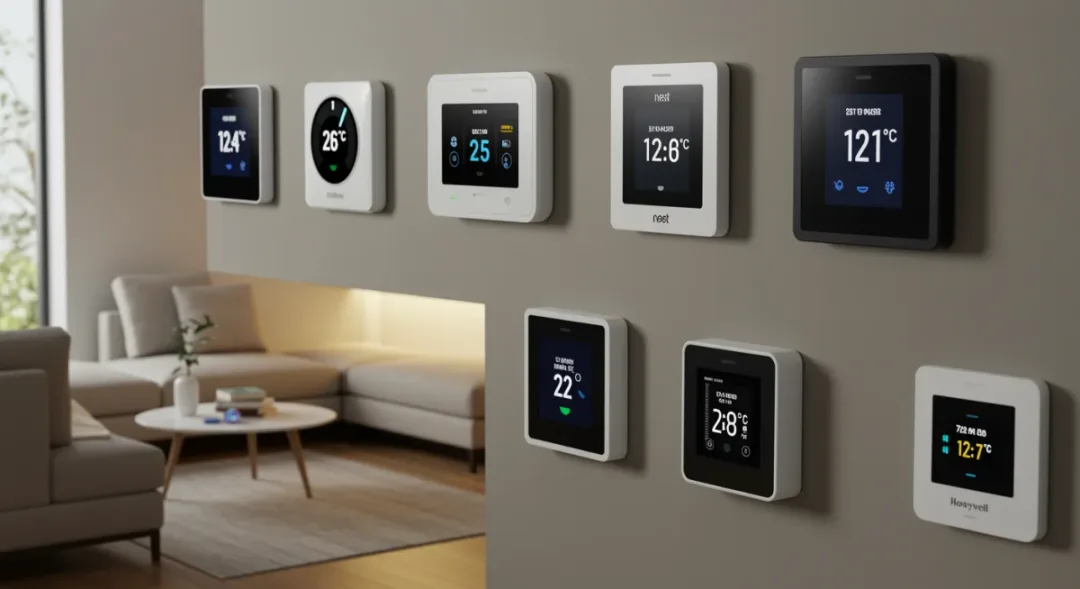
Comparing ecobee, Nest, and Honeywell smart thermostats reveals significant differences in energy savings, smart features, and overall performance that directly impact household efficiency and comfort.
Ads
Choosing the right smart thermostat can feel overwhelming with so many options claiming to save energy and improve comfort. The three dominant players in the US market—ecobee, Nest, and Honeywell—each bring distinct approaches to temperature management and home automation. This analysis cuts through marketing claims to examine real performance data, helping you understand which thermostat genuinely delivers on its promises.
Ads
Understanding Smart Thermostat Efficiency Metrics
Before diving into specific brand comparisons, it is essential to understand what efficiency actually means in the context of smart thermostats. Energy efficiency in these devices stems from three primary capabilities: learning your schedule, detecting occupancy, and integrating with other smart home devices. The actual savings vary depending on your current heating and cooling habits, your climate zone, and how actively you engage with the device settings.
Most manufacturers cite energy savings between 10% and 23% on heating and cooling costs. However, independent studies and user reports often show different results in real-world conditions. The Environmental Protection Agency estimates that properly configured smart thermostats can save homeowners approximately $180 annually, though individual results vary significantly based on regional energy prices and usage patterns.
Key Efficiency Factors to Consider
- Learning algorithms that adapt to your daily routine
- Occupancy sensing capabilities for empty home detection
- Geofencing technology for automatic adjustments
- Integration with HVAC systems and other smart devices
- Remote sensor compatibility for whole-home temperature management
Each brand approaches these factors differently, which directly impacts how effectively the thermostat reduces energy waste without sacrificing comfort. Understanding these differences helps set realistic expectations before making a purchase decision.

ecobee: The Sensor-First Approach
ecobee has positioned itself as the choice for homeowners who prioritize precise temperature control throughout their living spaces. The company’s flagship ecobee SmartThermostat comes with a remote sensor included, addressing one of the most common complaints about smart thermostats—temperature inconsistencies between rooms.
The ecobee platform uses what the company calls “Follow Me” technology, which monitors occupancy and temperature in different rooms to create balanced comfort across your home. This proves particularly valuable in larger homes where single-thermostat installations struggle to maintain consistent temperatures in distant rooms. The sensor system can track up to 32 sensors, though most households find two to four sensors sufficient for meaningful improvements.
In terms of energy efficiency, ecobee devices integrate with utility company demand response programs in many regions. These programs allow your utility company to temporarily reduce HVAC usage during peak demand periods in exchange for rebates or credits on your energy bill. This feature alone can generate savings beyond what the thermostat’s own algorithms achieve.
ecobee Performance Highlights
- Includes remote sensor with base model purchase
- Supports Alexa, Google Assistant, and Apple HomeKit
- Compatible with most HVAC systems including heat pumps
- Offers detailed energy usage reports through mobile app
- Works with SmartThings and other major smart home platforms
The ecobee interface prioritizes clarity over complexity. The touchscreen display shows current temperature, humidity levels, and upcoming schedule changes. Users consistently praise the straightforward setup process and the reliability of the mobile app, which allows remote monitoring and adjustment from anywhere with internet connectivity.
Nest: The Learning Pioneer
Google’s Nest division essentially created the modern smart thermostat market with its Learning Thermostat, introduced in 2011. The third-generation Nest Learning Thermostat remains one of the most recognizable smart home devices, featuring a distinctive circular design with a temperature ring that changes color based on heating or cooling activity.
Nest’s signature feature is its learning capability. Over the first week of use, the thermostat observes your schedule and automatically creates a personalized temperature program. The device learns when you wake up, leave for work, return home, and go to sleep—adjusting temperatures to maximize comfort when you are present and reduce energy consumption when you are away. This automated approach appeals to users who prefer minimal ongoing interaction with their thermostat.
The Nest thermostat also pioneered the use of motion sensing for occupancy detection. Its built-in sensor can detect when someone is in the room, triggering temperature adjustments even without explicit scheduling. This feature proves particularly useful for households with irregular schedules where traditional programming fails to capture occupancy patterns accurately.
Nest Integration Ecosystem
- Seamless integration with Google Home ecosystem
- Works with Alexa through Amazon Echo devices
- Nest Protect smoke detector coordination for HVAC optimization
- Google Assistant voice control capabilities
- Energy usage history and monthly energy reports
One consideration for potential Nest buyers is the company’s ecosystem lock-in. While the thermostat works with third-party platforms, its fullest functionality emerges when used within the Google/Nest ecosystem. The Nest app provides robust monitoring and control features, though some users report occasional connectivity issues that require troubleshooting.
Honeywell: The Traditional Player’s Smart Evolution
Honeywell brings over a century of HVAC industry experience to its smart thermostat lineup. The Honeywell T9 Smart Thermostat represents the company’s flagship offering, combining professional-grade temperature management with modern smart home connectivity. This heritage shows in the device’s compatibility with complex HVAC systems that newer market entrants sometimes struggle to support.
The T9 uses room sensors similar to ecobee, though Honeywell’s implementation emphasizes flexible scheduling options. Users can set different target temperatures for different times of day, with sensors automatically activating based on occupancy. The system learns how long your home takes to reach desired temperatures, optimizing start times to ensure comfort when you need it without unnecessary energy expenditure.
Honeywell’s strength lies in its widespread professional installation network. While the DIY installation process works for many homeowners, those with complex multi-stage heating systems or older HVAC equipment often benefit from professional setup. This professional support network gives Honeywell an advantage in households with non-standard heating configurations.
Honeywell T9 Key Features
- Compatible with older two-wire HVAC systems
- Supports multi-stage heating and cooling systems
- Professional installation options available
- Works with both Alexa and Google Assistant
- Monthly energy reports through Honeywell Home app
The Honeywell T9 also offers unique features like outdoor temperature display and humidity monitoring, providing context for temperature adjustments that users find valuable. The device’s sturdy construction and responsive touchscreen reflect the company’s focus on reliability over flashy features.
Direct Performance Comparison
When comparing actual energy savings across these three platforms, research and user feedback reveal meaningful differences. Independent testing by organizations like Consumer Reports provides valuable benchmarks, though individual results depend heavily on usage patterns and climate conditions.
ecobee users report average savings of 23% on heating and cooling costs, according to the company’s published data. This figure aligns with independent assessments showing ecobee performing well in households that actively use its scheduling and sensor features. The included remote sensor contributes significantly to these savings by preventing overconditioning of unoccupied rooms.
Nest claims up to 15% savings on heating and 12% on cooling costs based on internal data. The actual savings users experience vary considerably based on how actively the learning algorithm captures their patterns. Households with highly irregular schedules sometimes report lower savings, while those with consistent routines often achieve results exceeding Nest’s published figures.
Honeywell’s T9 positioned itself as competitive with ecobee in terms of savings potential, though published data suggests slightly lower average performance. The advantage Honeywell offers is consistency rather than peak savings—the T9 reliably delivers solid efficiency improvements without requiring extensive user configuration or learning period adjustment.
Installation and Setup Complexity
- ecobee offers straightforward DIY installation with video guides
- Nest provides detailed setup wizard and compatibility checker
- Honeywell supports both DIY and professional installation
- All three brands require C-wire or adapter for power
- Remote sensor setup takes additional time but improves performance
Installation complexity remains a common pain point across all three brands. Most heating and cooling systems require a C-wire (common wire) for continuous power, and homes with older systems may need adapter kits. All three manufacturers provide online compatibility tools that help users verify their system requirements before purchasing.
Smart Home Integration and Ecosystem Lock-In
Modern smart thermostats function as hubs within broader smart home ecosystems, and compatibility considerations significantly impact long-term satisfaction. Each brand maintains partnerships with major platforms, though the depth of integration varies considerably.
ecobee stands out for its platform neutrality, supporting Alexa, Google Assistant, Apple HomeKit, SmartThings, and IFTTT. This flexibility appeals to households with mixed smart home devices or those who want to avoid ecosystem lock-in. The ecobee SmartThermostat also functions as a smart home hub, extending its value beyond temperature management.
Nest integrates most deeply with Google Home, creating a cohesive experience for users invested in Google’s ecosystem. The seamless connection between Nest devices, Google Assistant speakers, and other Google Home products creates a unified smart home experience. However, this integration becomes less valuable for users who prefer Amazon’s Alexa or Apple’s HomeKit.
Honeywell occupies a middle ground, offering solid compatibility with major platforms without excelling in any particular ecosystem. The Honeywell Home app provides adequate functionality, though some users report it feeling less refined compared to ecobee or Nest alternatives.
Making Your Final Decision
Selecting the right smart thermostat ultimately depends on your specific circumstances, including your existing smart home setup, HVAC system complexity, and personal preferences for device interaction. Each brand excels in different areas, making blanket recommendations difficult without understanding individual needs.
For households prioritizing whole-home temperature balance and platform flexibility, ecobee offers the strongest overall package. The included sensors and broad platform compatibility address two of the most common smart thermostat frustrations. Users willing to invest time in initial setup and occasional sensor repositioning typically achieve excellent results.
Nest remains ideal for users deeply embedded in Google’s ecosystem or those who prefer automated adjustment over manual programming. The learning algorithm works well for households with consistent schedules, and the distinctive design adds aesthetic appeal to visible wall installations. The automatic schedule creation reduces ongoing user engagement requirements.
Honeywell serves households with complex HVAC systems or those who value professional installation support. The company’s extensive dealer network provides installation options that DIY-focused competitors cannot match. Long-term reliability and broad HVAC compatibility make Honeywell a conservative choice for households with older heating and cooling equipment.
| Thermostat Brand | Best For |
|---|---|
| ecobee | Whole-home temperature balance with included sensors and broad platform compatibility |
| Nest | Google ecosystem users seeking automated learning and distinctive circular design |
| Honeywell | Complex HVAC systems requiring professional installation and reliable long-term performance |
| Average Energy Savings | ecobee leads with 23% average savings, followed by Nest at 15% heating and 12% cooling, with Honeywell slightly below |
Frequently Asked Questions
Which smart thermostat saves the most energy?▼Based on user reports and independent testing, ecobee tends to achieve the highest average energy savings at approximately 23% on heating and cooling costs. This advantage largely stems from the included remote sensors that prevent overconditioning of unoccupied rooms. Nest achieves 15% heating and 12% cooling savings in typical households, while Honeywell delivers solid but slightly lower average performance. Actual savings depend heavily on your current thermostat, climate zone, and usage patterns.
Do I need professional installation for smart thermostats?▼Most homeowners can install ecobee or Nest thermostats themselves using included DIY instructions and online compatibility tools. However, Honeywell offers professional installation through its network of dealers, which proves valuable for households with complex multi-stage HVAC systems, older equipment, or those lacking confidence in DIY electrical work. All three brands require a C-wire or adapter kit for power in most installations.
Can these thermostats work with both Alexa and Google Assistant?▼ecobee offers the broadest compatibility, supporting Alexa, Google Assistant, Apple HomeKit, SmartThings, and IFTTT out of the box. Nest works natively with Google Assistant and Alexa, though its deepest integration is with Google Home. Honeywell supports both major voice assistants but without the platform versatility of ecobee. If you use Apple HomeKit specifically, ecobee remains the primary choice among these three options.
How long do smart thermostats typically last?▼Smart thermostats typically last 8-12 years with proper installation and occasional firmware updates. Google has continued supporting original Nest Learning Thermostats released in 2011, suggesting long-term software support is possible. Hardware longevity depends on your HVAC system’s condition and whether electrical issues arise. Most manufacturers warranty their devices for 2-3 years, though many units function reliably far beyond warranty periods.
Will a smart thermostat work if my internet goes down?▼Smart thermostats continue basic temperature control functions during internet outages using their last programmed schedule. However, remote app control, voice assistant integration, and features like geofencing require active internet connectivity. The touchscreen on the thermostat itself remains functional for manual adjustments. ecobee and Nest both offer offline basic operation, though you lose smart features until internet service restores.
Conclusion
The smart thermostat market offers three compelling options, each excelling in different areas. ecobee delivers the best overall value with included sensors and broad platform compatibility, making it ideal for households prioritizing whole-home comfort and ecosystem flexibility. Nest remains the preferred choice for Google ecosystem users who appreciate automated learning and distinctive design aesthetics. Honeywell serves households with complex HVAC needs or those who value professional installation support. Your specific circumstances—existing smart home setup, HVAC system complexity, and personal preferences—ultimately determine which thermostat will serve you best. Investing time in understanding your needs before purchasing ensures your chosen device delivers the comfort and efficiency improvements that make smart thermostat adoption worthwhile.
Written by
Lucas Bastos
Lucas Bastos writes about home for insider.onlyshein.com. Each article explains how things work, compares published details such as prices, policies and program rules, and points readers to the official source before they decide.