
Weather Stripping and Sealant Solutions: Eliminate Drafts and Save 18% on Heating Bills
Ads
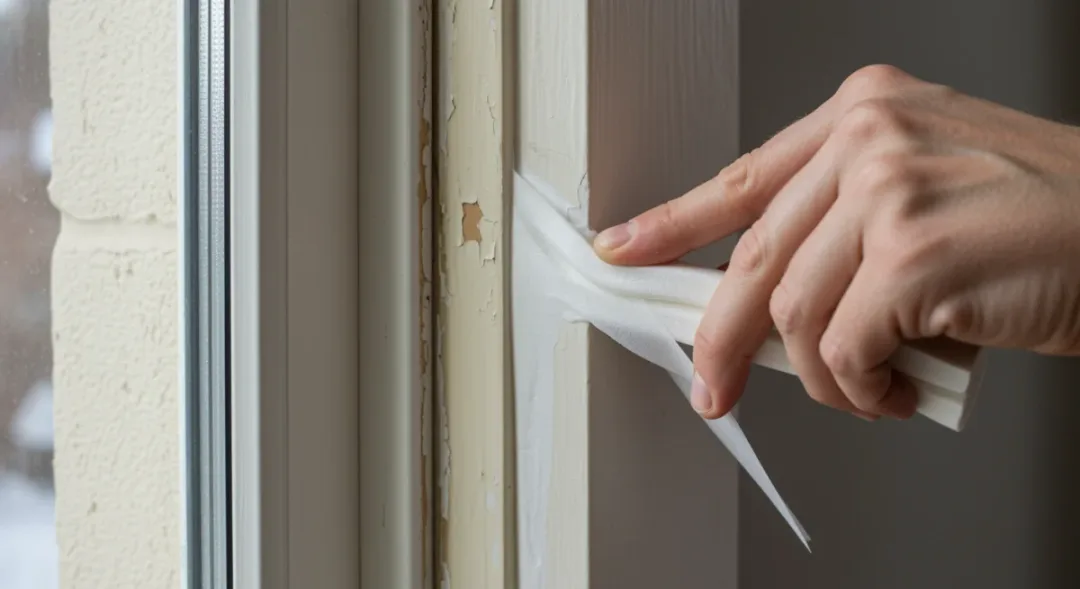
Weather stripping and sealant solutions eliminate drafts around windows, doors, and openings, reducing energy loss and saving homeowners up to 18% on heating bills while improving overall comfort.
Ads
Drafts sneaking through windows and doors can silently drive up your heating bills during those cold winter months. The good news is that proper weather stripping and sealant solutions can transform your home’s energy efficiency, potentially saving you up to 18% on annual heating costs while keeping your living spaces comfortable year-round. Whether you are a DIY enthusiast or planning to hire a professional, understanding the basics of air sealing can make a significant difference in your wallet and your home’s carbon footprint.
Ads
Understanding Air Leaks and Their Impact on Energy Bills
Before diving into solutions, it helps to understand what you are fighting against. Air leaks in typical American homes account for a substantial portion of energy waste, with drafts around windows and doors being among the most common culprits. These gaps, often invisible to the naked eye, allow warm air to escape during winter and cool air to slip out during summer, forcing your heating and cooling systems to work overtime.
The U.S. Department of Energy estimates that air leakage can account for 25% to 40% of the energy used for heating and cooling in typical homes. This translates to hundreds of dollars lost annually for families who could otherwise keep that money in their pockets. Beyond the financial aspect, drafts create cold spots near windows and doors, making certain rooms uncomfortable even when the thermostat is set to a reasonable temperature.
Common Areas Where Air Leaks Occur
- Window frames and sashes, especially in older double-hung windows
- Door frames, particularly the bottoms and sides of exterior doors
- Electrical outlets and switches on exterior walls
- Attic hatches and basement stairs
- Plumbing, electrical, and ductwork penetrations through walls
- Recessed lights and ceiling fans
Identifying these problem areas is the first step toward creating an effective air sealing strategy. Many homeowners are surprised to discover just how many small gaps exist throughout their homes, each contributing to energy loss in its own small way.
Types of Weather Stripping Materials and Their Applications
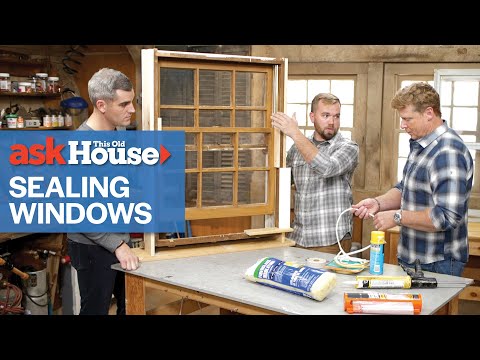
Weather stripping comes in various materials, each designed for specific applications and offering different levels of durability and effectiveness. Choosing the right type for each area of your home ensures optimal performance and longevity.
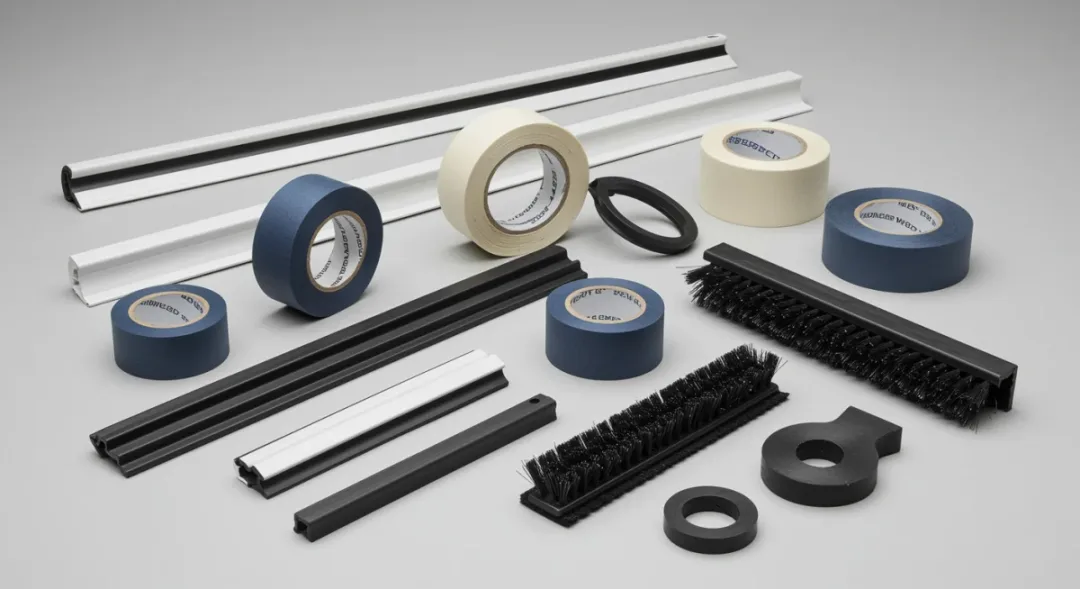
V-strip weather stripping, also known as tension seal, consists of a thin strip of metal or plastic shaped like a V that springs open to fill gaps. This type works exceptionally well for the sides of double-hung windows and sliding doors. It is durable, invisible when properly installed, and can last for many years without requiring replacement.
Foam Tape and Adhesive-Backed Options
- Foam tape: Easy to apply, ideal for irregular gaps, available in various thicknesses
- Self-adhesive rubber weather stripping: Great for windows that do not open frequently
- Vinyl weather stripping: Resistant to moisture and temperature changes
- Silicone-based strips: Excellent flexibility and durability in extreme temperatures
Foam tape remains one of the most popular options for DIY air sealing projects because it is inexpensive, easy to cut and apply, and conforms to uneven surfaces. However, it tends to compress over time, so periodic inspection and replacement may be necessary.
Selecting the Right Sealant for Different Surfaces
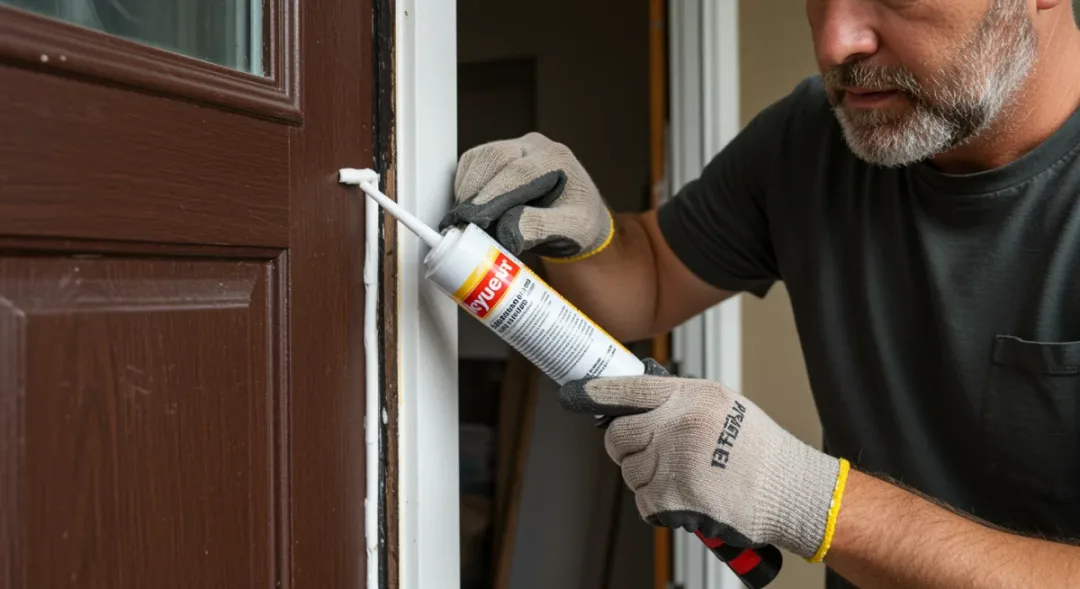
While weather stripping addresses movable joints, sealants fill the gaps in stationary areas around windows, doors, and other fixed elements. Understanding which sealant to use for each situation ensures lasting results and prevents damage to building materials.
Silicone sealants offer superior flexibility and adhesion, making them ideal for areas that experience movement or temperature fluctuations. They remain pliable for years without cracking, though they cannot be painted over and may require longer cure times. Acrylic latex sealants, on the other hand, can be painted to match your trim and clean up easily with water, but they tend to become brittle over time in areas with significant temperature swings.
Sealant Types for Specific Applications
- Silicone: Windows, doors, expansion joints, areas prone to movement
- Acrylic latex: Interior gaps, trim painting projects, low-movement areas
- Butyl rubber: Metal-to-metal joints, roof flashing, areas needing moisture resistance
- Polyurethane: High-traffic areas, exterior applications, superior adhesion
For exterior applications in the United States, selecting a sealant rated for your specific climate zone matters. Areas with extreme temperature variations benefit from sealants designed to maintain flexibility in both hot summers and freezing winters.
Step-by-Step Guide to Weather Stripping Windows
Proper installation of weather stripping ensures maximum effectiveness and longevity. Taking time to prepare surfaces and follow correct procedures prevents common mistakes that compromise the seal.
Start by cleaning the surfaces where weather stripping will be applied. Remove old paint, debris, and dust, ensuring the area is dry before proceeding. Measure twice, cut once applies strongly here, as accurate measurements prevent waste and ensure complete coverage without gaps or overlaps that could undermine the seal.
Window Weather Stripping Installation Process
- Remove old weather stripping completely and clean the channel
- Measure each window individually, as sizes vary even within the same room
- Cut new weather stripping to length with sharp scissors or a utility knife
- Apply adhesive-backed strips firmly, starting from one corner
- Check that windows open and close smoothly after installation
- Test for drafts by holding a lit candle near the edges on a windy day
After installation, test your work by conducting a simple draft test. On a windy day, hold a lit candle or incense stick near the edges of sealed windows. If the flame flickers or bends significantly, air is still getting through, and adjustments are needed.
Door Sealing Techniques for Maximum Efficiency
Exterior doors present unique sealing challenges because they must remain functional while blocking air flow. The bottom of doors often allows significant air passage, while the sides and top frequently have gaps that develop over time from normal use and settling.
Door sweeps attach to the bottom of doors to seal the gap between the door and threshold. They come in various styles, including adhesive-mounted, screw-in, and adjustable options. For the sides and top, foam tape or V-strip weather stripping works well, depending on the door style and frame configuration.
Comprehensive Door Sealing Checklist
- Install door sweeps or thresholds at the bottom of all exterior doors
- Apply weather stripping around the entire door frame perimeter
- Check and replace worn door weather stripping annually
- Ensure door thresholds create a complete seal when doors are closed
- Consider storm doors for added protection in harsh climates
- Address any door alignment issues that prevent proper sealing
Many homeowners overlook the importance of proper door alignment. If doors have shifted or settled over time, they may not close squarely against the weather stripping, creating gaps that defeat the purpose of the seal. Adjusting hinges or replacing worn hardware often resolves these issues.
Professional vs. DIY: When to Call an Expert
While many weather stripping and sealing projects are suitable for determined homeowners, certain situations call for professional intervention. Understanding the limits of DIY work prevents wasted money and ensures proper results for complex issues.
Professional energy audits use specialized equipment like blower door tests to identify air leakage points that might otherwise go undetected. These experts can pinpoint hidden leaks in walls, ceilings, and foundations, providing a comprehensive assessment that guides targeted improvements. While the upfront cost of professional services may seem high, the precision they offer often results in better long-term savings.
Signs You Need Professional Help
- Visible gaps or deterioration in exterior wall sheathing
- Persistent drafts despite DIY weather stripping efforts
- High energy bills that do not correlate with usage patterns
- Ice dam formation on roofs during winter
- Significant air leakage detected during energy audits
- Older homes with original windows requiring restoration
Professional contractors also bring experience with building codes and manufacturer specifications, ensuring that materials are installed correctly and perform as warranted. For comprehensive whole-home air sealing, professional services often prove more cost-effective than repeated DIY attempts.
Maximizing Your Investment: Maintenance and Long-Term Care
Installing weather stripping and sealants represents an investment that pays dividends over many years, but only with proper maintenance. Developing a regular inspection routine catches problems early and extends the life of your air sealing system.
Twice-yearly inspections, ideally in spring and fall, allow you to assess the condition of all weather stripping and sealants. Look for signs of wear, compression, cracking, or detachment. Pay particular attention to areas exposed to direct sunlight, as UV rays can degrade certain materials faster than in shaded locations.
Annual Maintenance Checklist
- Inspect all weather stripping for compression, cracks, or detachment
- Check sealant around windows and doors for gaps or deterioration
- Test door and window operation to ensure smooth opening and closing
- Clean weather stripping surfaces to remove debris that could cause abrasion
- Reapply sealant to any areas showing signs of wear or gaps
- Document improvements for future reference and energy comparisons
Keeping detailed records of improvements and energy costs helps track the return on your investment. Many utility companies offer rebates for energy efficiency improvements, so keep receipts and documentation for potential incentives.
| Key Point | Brief Description |
|---|---|
| Energy Savings Potential | Proper weather stripping and sealant can save up to 18% on annual heating bills by eliminating draft-related energy loss. |
| Material Selection | Choose appropriate materials for each application: V-strip for windows, foam tape for irregular gaps, silicone sealants for exterior use. |
| DIY Feasibility | Most weather stripping projects are suitable for DIY, but complex issues may require professional energy audits and installation. |
| Maintenance Requirements | Inspect and maintain weather stripping bi-annually to ensure continued effectiveness and extend the life of your air sealing system. |
Frequently Asked Questions About Weather Stripping and Sealant Solutions
How much can I actually save on heating bills with weather stripping?▼According to energy studies, properly installed weather stripping and sealants can save homeowners up to 18% on annual heating bills. The exact savings depend on your home’s age, current condition, climate zone, and energy costs. Older homes with significant air leakage typically see the highest percentage savings.
How often should weather stripping be replaced?▼Most weather stripping materials last between 5 and 10 years, depending on material type, climate exposure, and usage frequency. Foam tape typically needs replacement every 3-5 years, while V-strip and rubber weather stripping can last 10 years or more. Inspect your weather stripping bi-annually and replace when you notice compression, cracking, or reduced effectiveness.
Can I apply new weather stripping over old weather stripping?▼It is not recommended to layer new weather stripping over existing material, as this often creates uneven surfaces and poor seals. Always remove old weather stripping completely before applying new material. Clean the surface thoroughly and ensure it is dry before installation for optimal adhesion and performance.
What is the best type of weather stripping for extreme temperatures?▼Silicone-based weather stripping performs best in extreme temperature conditions because it remains flexible in both freezing winters and scorching summers without cracking or losing resilience. For very cold climates, look for products specifically rated for low temperatures, and consider combining silicone sealants with foam backer rods for added protection.
Do I need a professional energy audit before sealing my home?▼While not strictly necessary, a professional energy audit can identify hidden air leaks that DIY inspection might miss. Many utility companies offer free or discounted energy audits. However, for straightforward draft problems around windows and doors, DIY weather stripping often provides sufficient improvement without professional assessment.
Conclusion
Investing in quality weather stripping and sealant solutions delivers measurable returns through reduced energy bills and improved home comfort. The potential 18% savings on heating costs represents significant annual savings that compound over the years, making this one of the most cost-effective home improvements available. Whether you tackle the project yourself or enlist professional help, addressing air leaks around windows and doors creates a more comfortable, efficient, and environmentally responsible home. Start with the most obvious problem areas, maintain your installations regularly, and enjoy the benefits of a well-sealed home throughout the year.
Written by
Lucas Bastos
Lucas Bastos writes about home for insider.onlyshein.com. Each article explains how things work, compares published details such as prices, policies and program rules, and points readers to the official source before they decide.