
PS6 Release Rumors: What We Know About Sony’s Next-Gen Console
Ads
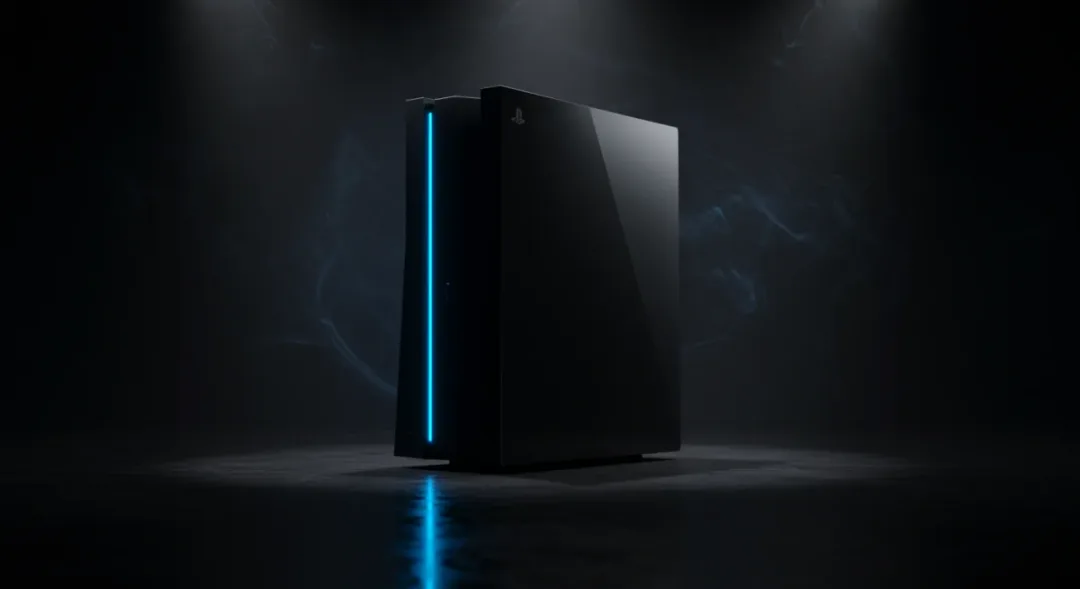
The PS6 release rumors indicate Sony’s next-generation PlayStation could arrive in late 2026, potentially featuring custom AMD hardware, advanced ray tracing, and seamless backward compatibility, though the company has not made any official announcements.
Ads
The gaming world moves fast, and speculation about what’s next always generates excitement. PS6 Release Rumors: What We Know About Sony’s Next-Gen Console Launching in Late 2026 have started circulating across industry publications, tech forums, and social media platforms. While Sony remains tight-lipped about official details, patterns in hardware cycles, supply chain whispers, and strategic positioning suggest we might see the next PlayStation sooner than many expect. This article gathers everything credible we know so far about Sony’s upcoming console, separating genuine indicators from wishful thinking.
Ads
The PlayStation Hardware Cycle: Patterns and Timing
Sony has historically released new PlayStation consoles approximately every seven years. The original PlayStation launched in 1994, followed by the PS2 in 2000, PS3 in 2006, PS4 in 2013, and PS5 in 2020. This pattern suggests a natural window opening around 2026 or 2027, which aligns perfectly with the current rumors swirling around the industry.
The PS5 launched during a global pandemic, creating supply chain disruptions that extended its availability well into 2023. This unusual circumstance might have accelerated Sony’s internal planning for the next generation, as the company typically begins serious development work halfway through a console’s lifecycle. Industry analysts suggest Sony would want to avoid the stock shortages that plagued the PS5 launch, potentially timing the PS6 release for a period of stable component availability.
Historical Release Patterns
- PlayStation (1994) – Seven-year gap from original
- PlayStation 2 (2000) – Six-year gap
- PlayStation 3 (2006) – Six-year gap
- PlayStation 4 (2013) – Seven-year gap
- PlayStation 5 (2020) – Seven-year gap
The seven-year cycle appears consistent, though Sony has shown willingness to adjust based on market conditions and technological readiness. The late 2026 timeframe mentioned in current rumors fits this historical pattern while accounting for the extended PS5 lifecycle caused by supply chain challenges.
PS5 Pro and the Transition to Next-Gen
Sony’s recent release of the PS5 Pro indicates a sophisticated mid-generation strategy that could shape how the PS6 arrives. The PS5 Pro targets enthusiasts and early adopters willing to pay premium prices for enhanced performance, effectively extending the current generation’s lifespan while preparing the market for future transitions.
This dual-approach strategy allows Sony to gauge consumer appetite for higher-priced hardware while maintaining the PS5’s relevance through 2025 and beyond. The existence of the PS5 Pro also suggests Sony is already thinking seriously about what comes next, as the company would want to avoid cannibalizing sales of their mid-cycle upgrade when the next generation arrives.

Market Positioning Factors
- PS5 Pro establishes premium pricing tier for enthusiasts
- Current-gen install base provides stable foundation for transition
- Game development cycles increasingly favor longer console generations
- Sony must maintain competitive edge against Microsoft and Nintendo
The PS5’s successful install base, now exceeding 60 million units sold worldwide, gives Sony a strong foundation for transitioning to the next generation. The company will likely want to preserve this momentum while ensuring backward compatibility and a smooth migration path for existing PlayStation owners.
Leaked Hardware Specifications and Technology
While nothing has been officially confirmed, several credible sources have suggested what the PS6 hardware might include. Industry insiders and patent filings provide glimpses into Sony’s likely direction for their next console.
The PS6 is expected to feature custom AMD hardware, likely based on the RDNA architecture that powers current-generation graphics cards. This would provide significant improvements in ray tracing capabilities, allowing for more realistic lighting and reflections in games. The CPU is expected to see substantial upgrades, potentially using AMD’s Zen architecture to deliver performance improvements that address the PS5’s occasional bottlenecks.
Expected Hardware Improvements
- Custom AMD CPU based on advanced Zen architecture
- Enhanced RDNA-based GPU with hardware-accelerated ray tracing
- Support for 8K resolution output
- Faster SSD storage with increased capacity
- Advanced audio processing for immersive soundscapes
Storage technology will likely see significant upgrades, with Sony potentially implementing even faster NVMe SSDs that could eliminate loading times almost entirely. Memory bandwidth improvements would complement these storage upgrades, enabling larger open worlds and more detailed environments without the compromises seen in current-generation games.
Software Ecosystem and Backward Compatibility
Sony has made significant strides with backward compatibility on the PS5, and this trend is expected to continue and expand with the PS6. The company has invested heavily in making older titles playable on newer hardware, and this philosophy will likely define the next generation’s software approach.
The PS6 is expected to support the entire PlayStation library, potentially emulating PS1, PS2, PS3, PS4, and PS5 titles. This comprehensive backward compatibility would be a major selling point, allowing players to access decades of gaming history through a single device. Sony might also introduce enhanced versions of classic titles, similar to the PS5’s PS5 Enhanced program that improves older games with higher frame rates and resolution.
Cloud gaming integration seems inevitable, with Sony likely expanding their PlayStation Now service to compete more effectively with Xbox Cloud Gaming and NVIDIA GeForce Now. The PS6 might ship with built-in cloud capabilities, allowing players to stream older titles without requiring extensive local storage.
Software Features to Expect
- Full backward compatibility with PS1 through PS5 library
- Enhanced versions of classic titles with modern improvements
- Integrated cloud gaming for streaming older games
- Improved social features and sharing capabilities
- Advanced AI assistance for gameplay and navigation
The user interface will likely receive a complete overhaul, potentially incorporating AI elements to help players discover new content, manage their libraries, and navigate the increasingly complex gaming ecosystem. Voice control and gesture support might become standard, building on features introduced experimentally on the PS5.
Competitive Landscape and Market Strategy
Sony doesn’t develop the PS6 in isolation. The console market remains competitive, with Microsoft and Nintendo both vying for consumer attention and spending. Understanding the competitive landscape helps explain Sony’s likely strategy for their next-generation system.
Microsoft’s continued presence in the console market, despite the Xbox Series X/S performing below expectations, ensures Sony cannot become complacent. Nintendo’s unique position with portable-first gaming creates a different competitive dynamic, but Sony’s focus on premium home gaming hardware suggests they’ll continue targeting the core gaming audience.
The rise of PC gaming as a legitimate platform presents both challenges and opportunities. Sony has already expanded beyond consoles with PlayStation PC releases, and the PS6 might blur the lines between platforms even further. Cross-play, cloud integration, and unified accounts could make the PlayStation ecosystem more accessible than ever.
Market Considerations
- Microsoft continues investing in Xbox hardware and Game Pass
- Nintendo maintains portable gaming dominance
- PC gaming growth demands cross-platform strategy
- Cloud gaming infrastructure maturing rapidly
- VR integration becoming increasingly relevant
Sony’s acquisition of Bungie and their continued investment in exclusive content suggests the company recognizes that hardware alone doesn’t drive consumer decisions. The PS6 will need to be accompanied by compelling exclusive titles that justify the upgrade from PS5.
What Gamers Can Realistically Expect
While rumors provide exciting glimpses into the future, it’s important to maintain realistic expectations about what the PS6 will actually deliver. The console gaming market has matured significantly, and revolutionary changes are less likely than incremental improvements.
Graphics quality will continue improving, with the PS6 likely delivering performance comparable to mid-range gaming PCs at launch. Frame rates of 120fps at 4K resolution should become standard, with 8K support emerging for compatible displays. Ray tracing will be hardware-native rather than software-emulated, enabling more complex lighting effects in games.
Game prices might increase further, with some analysts predicting $70-80 base prices for major releases. The PS6 might introduce new business models, potentially incorporating subscription features more deeply into the platform. Free-to-play games will likely continue expanding, supported by microtransactions and cosmetic purchases.
Realistic Feature Expectations
- 4K/120fps as baseline performance standard
- Native hardware ray tracing support
- Significantly faster load times via improved SSD
- Enhanced DualSense controller with improved haptics
- Potential VR integration via PlayStation VR2 compatibility
The controller will likely see improvements, building on the success of the DualSense haptic feedback and adaptive triggers. New features might include improved battery life, more precise motion controls, and potentially even biometric sensors that respond to player stress or excitement levels.
Conclusion
The PS6 represents Sony’s vision for the future of gaming, built on years of hardware evolution and market research. While the late 2026 launch window remains unconfirmed, the patterns in Sony’s release history and the current state of technology suggest this timeframe is plausible. Gamers can expect significant improvements in graphics performance, storage speed, and backward compatibility, alongside new features that leverage emerging technologies like advanced AI and cloud integration.
Until Sony makes official announcements, all information about the PS6 remains speculative. However, the combination of historical patterns, industry leaks, and market dynamics provides a reasonable framework for understanding what Sony’s next-generation console might offer. The waiting game continues, but the future of PlayStation looks promising based on what we know today.
| Key Point | Brief Description |
|---|---|
| Expected Launch Window | Late 2026 based on historical seven-year hardware cycles and current industry speculation |
| Hardware Specifications | Custom AMD CPU/GPU based on advanced Zen and RDNA architectures, enhanced ray tracing, 8K support |
| Backward Compatibility | Expected full support for PS1 through PS5 library, enhanced classic titles, cloud streaming integration |
| Market Position | Premium home gaming console targeting core audience against Xbox and Nintendo competition |
Frequently Asked Questions About PS6
When will the PS6 officially release?▼Sony has not announced an official release date for the PS6. Based on historical patterns and industry speculation, a late 2026 launch appears likely, though this remains unconfirmed. The seven-year cycle between PlayStation generations supports this timeline, alongside supply chain considerations and market positioning strategies.
What improvements will the PS6 have over PS5?▼The PS6 is expected to feature significant hardware improvements including more powerful AMD-based CPU and GPU, native hardware ray tracing, 8K resolution support, faster SSD storage, and enhanced audio processing. Software improvements will likely include comprehensive backward compatibility and integrated cloud gaming features.
Will PS6 be backward compatible with PS5 games?▼Sony has invested heavily in backward compatibility for the PS5 and is expected to continue this approach with the PS6. The next console will likely support the entire PlayStation library from PS1 through PS5, potentially with enhanced versions of classic titles featuring improved resolution and frame rates.
How much will the PS6 cost at launch?▼Pricing for the PS6 remains speculative, but industry analysts expect a premium price point similar to or higher than the PS5’s $499 launch price. The PS5 Pro’s $699 price point establishes a new premium tier, suggesting Sony might offer multiple PS6 configurations at different price points.
Will PS6 support virtual reality gaming?▼The PS6 is expected to maintain compatibility with PlayStation VR2, potentially introducing enhanced VR experiences that leverage the next console’s improved processing power. Sony has invested significantly in VR technology, and the PS6 will likely serve as a more capable platform for immersive gaming experiences.
Written by
Mariana Viana
Mariana Viana writes about tech & gadgets for insider.onlyshein.com. Each article explains how things work, compares published details such as prices, policies and program rules, and points readers to the official source before they decide.